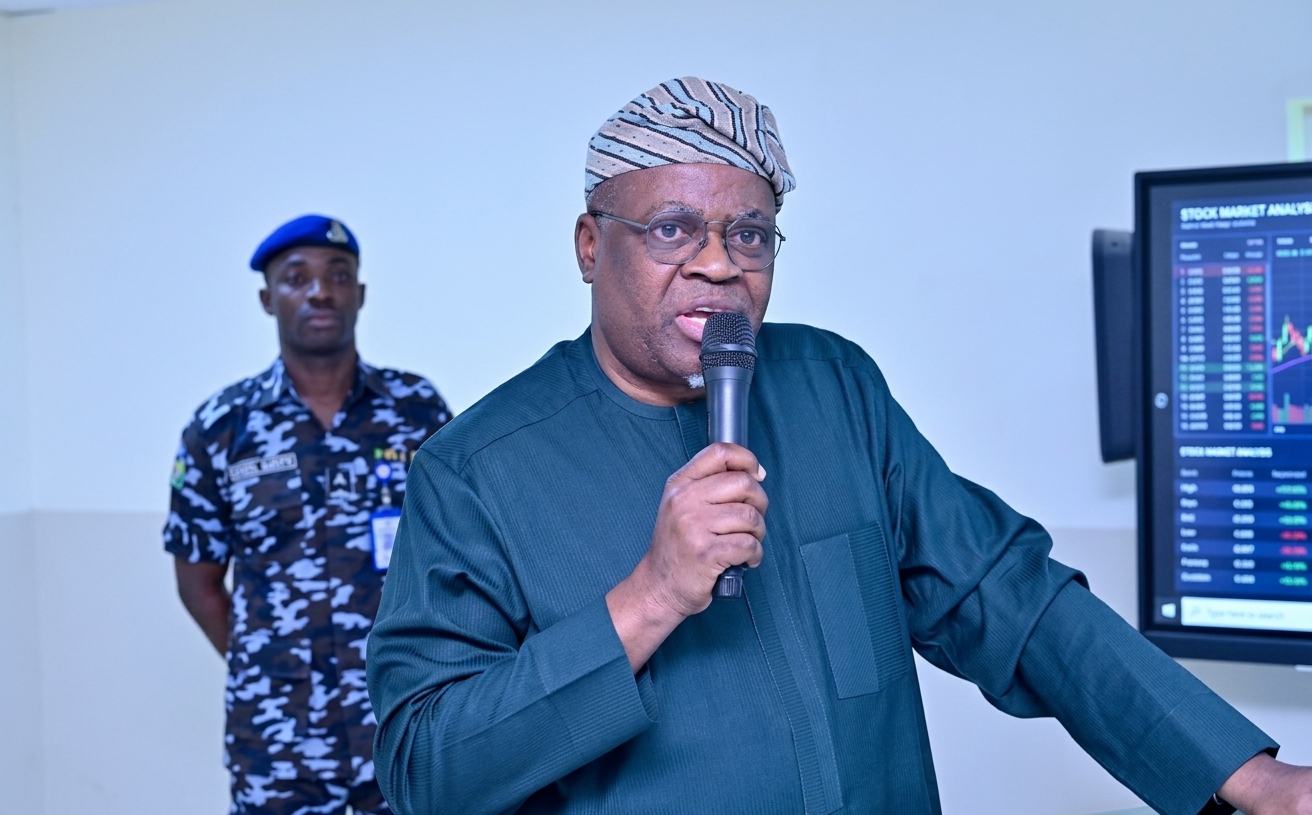
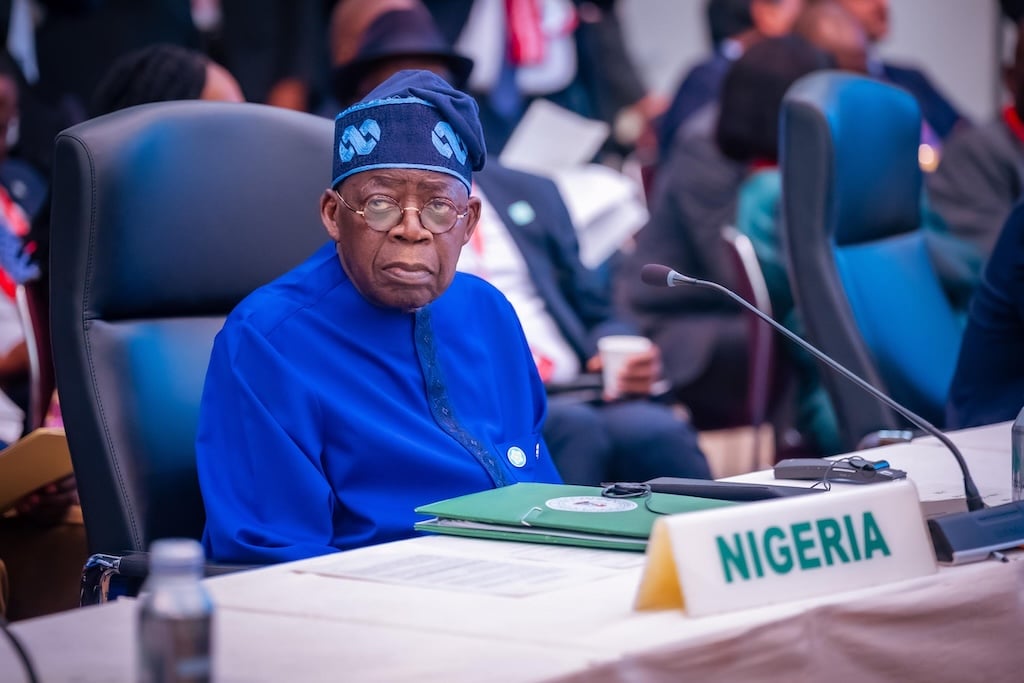
BANGKOK, Thailand — Taiwo Oyedele, Minister of Finance and Coordinating Minister of the Economy, says Nigeria is beginning to change how it is perceived internationally, citing its tax overhaul and wider economic reforms as evidence of a path towards sustainable growth and shared prosperity.
He explained the Nigeria Rising narrative at the closing press briefing of the 2026 IMF-World Bank Meetings in Bangkok.
Nigeria Rising narrative aims to change global perception
According to Oyedele, the Nigeria Rising narrative was designed to communicate changes taking place in the country and to challenge perceptions that do not reflect the government’s assessment of its economic progress.
He said he observed growing interest in Nigeria among international stakeholders during the meetings and attributed it to the ongoing reform programme.
Tax reform anchors the Nigeria Rising agenda
The minister cited the overhaul of Nigeria’s tax system as one of the major reforms behind the narrative. He said the government had rewritten the country’s tax framework within two years, as part of wider efforts to reform public administration and improve the economy.
Oyedele said the combined effect of the reforms could put Nigeria on a path to sustainable growth that ultimately delivers shared prosperity to its people. He urged Nigerians to look beyond negative headlines and pay closer attention to emerging opportunities, saying “everywhere you look, there’s an opportunity.”
Government targets 7% growth above IMF projections
The minister said the government expects growth to exceed the International Monetary Fund’s (IMF) projections, which he described as historically conservative. The government is working towards 7% growth, supported by measures to address structural constraints, reduce inflation and improve the business environment.
Reaching the target would require growth to accelerate significantly from the rates the IMF projects, alongside sustained improvements in investment, productivity and business activity.
Lower inflation and interest rates central to the plan
Kanyi Daily reports that Oyedele identified food, energy and logistics costs as the main sources of inflationary pressure, saying the government is working to address them. Reducing inflation to low single digits, he argued, could make single-digit interest rates possible, improving access to credit and supporting investment.
He described the cost of borrowing as a major constraint. Prime lending rates are close to 30%, he said, and some businesses are growing at about 30% while the wider economy expands at around 4.5%. He suggested far more would be possible if companies could borrow at single-digit rates.
He also pointed to the naira’s improved performance, saying it has helped ease pressure on inflation. Tackling the remaining inflationary pressures, he added, will be important to reaching the growth ambition.
IMF forecast for Nigeria
Earlier this month, the IMF raised Nigeria’s 2026 economic growth forecast to 4.2% from 4.1% in its October 2026 World Economic Outlook, while retaining its 2027 projection of 4.3%.
- The report, titled Resilience Under Strain, Urgent Choices, attributed Nigeria’s outlook partly to improved macroeconomic stability and favourable terms of trade.
- The Fund warned that higher prices of essential goods could worsen poverty and food insecurity despite the better growth outlook.
- It called for targeted, temporary cash transfers and income support to help vulnerable households cope with rising food and energy costs without undermining long-term stability.
The IMF’s projections remain below the government’s 7% ambition, leaving a clear gap between the official target and the Fund’s expectations.