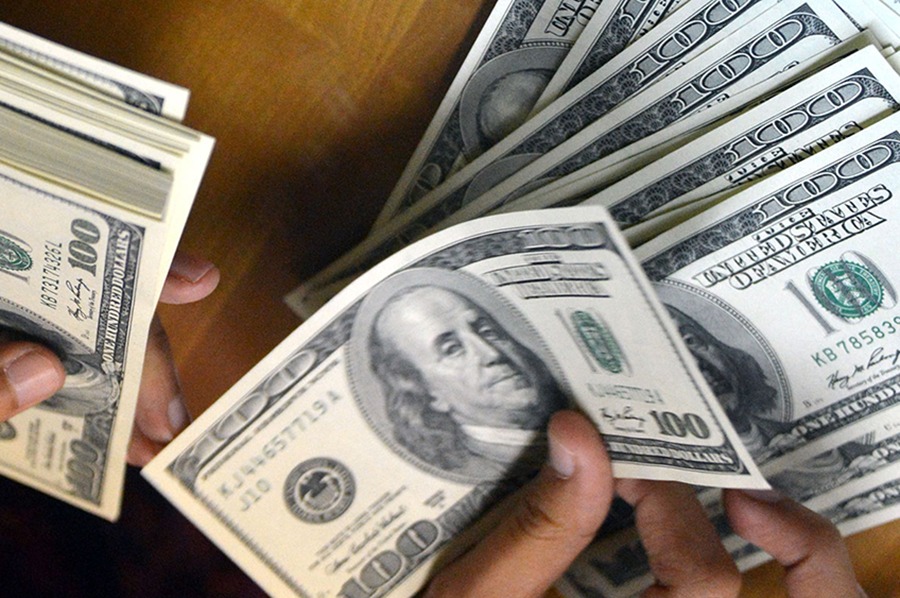
LAGOS, Nigeria — The United States dollar has weakened after Democrats gained control of both chambers of Congress in the recent midterm elections, a shift analysts say could ease pressure on the naira.
The political change is feeding through to global currency markets. Some investors are adjusting their holdings to account for expected changes in fiscal policy and for the possibility that the Federal Reserve will raise interest rates, which is putting downward pressure on the dollar.
The analysis suggests a Democratic-led Congress would add gridlock to plans for further deregulation and unilateral tax cuts, which could temper expectations of aggressive United States fiscal expansion. It argues that a softer dollar could push the currency pair toward support levels, with a move toward a range of 1,250 to 1,300 naira per dollar.
Nigeria’s Monetary Policy Rate, which the Central Bank of Nigeria cut to 23% in September, remains high by international standards. The analysis says that rate draws foreign portfolio investors seeking higher yields in frontier and emerging markets, a pattern known as the carry trade. Those flows, it argues, support the naira by adding dollar liquidity to the Nigerian Autonomous Foreign Exchange Market, especially through Open Market Operation bills and government debt.
A weaker dollar also gives the Central Bank of Nigeria more room to defend the naira and stabilise exchange rates in the near to medium term, the analysis says, citing the resilience of Nigeria’s external reserves and oil revenue.
Geopolitical risk remains a factor. The analysis points to the continuing conflict between the United States and Iran and the disruption to oil shipments through the Strait of Hormuz. It warns that the resulting energy price volatility could add to inflation pressure and support further tightening by the Federal Reserve, which could strengthen the dollar again.
Traders are watching the Federal Reserve’s decisions, the Monetary Policy Committee’s next meeting in Nigeria, and this week’s United States economic data, including a private-sector employment report, a services survey, and the monthly payrolls figures on Friday.