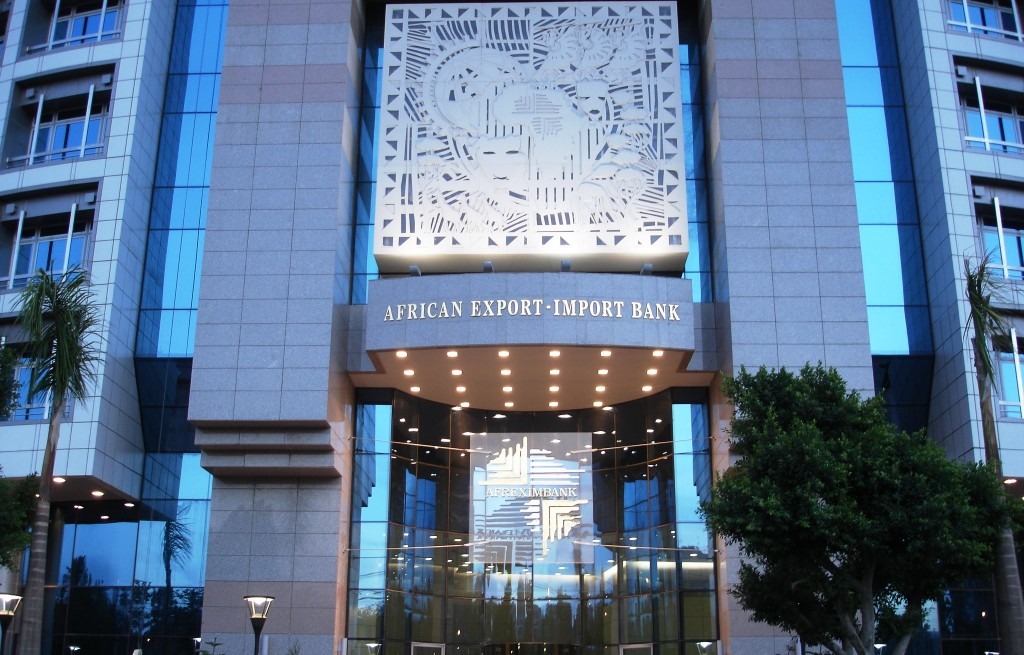
SAGAMU, Ogun State, Nigeria — The African Export-Import Bank has provided an $81.9 million senior term loan to Veenocks Limited to expand its porcelain tile plant in Sagamu, Ogun State. The project has an estimated total cost of $145 million and is expected to raise the factory’s annual output from 3.3 million square metres to 9.9 million square metres, roughly threefold.
The bank disclosed the financing in a statement on its website on Monday, November 2, 2026.
The expansion is expected to create 300 direct jobs. The existing plant already employs more than 200 people directly. The bank said the project would also generate indirect employment in raw material supply, logistics and distribution.
The financing follows an earlier arrangement. In August 2024, the bank provided a $2 million Project Preparation Facility to fund studies on the project’s technical, commercial, financial, legal, environmental and social aspects. The bank said those studies helped establish the project’s bankability and shaped its decision to provide the senior loan. The preparation facility has since been fully repaid from the senior debt, freeing those funds for other projects.
Mrs. Kanayo Awani, Executive Vice President for Intra-African Trade and Export Development at the bank, said the preparation work had strengthened the project’s bankability and widened the company’s plans for regional growth. She said the senior debt would support the expansion needed to turn those plans into higher production and stronger foundations for trade within Africa.
Veenocks plans to use the extra capacity to sell into eight African countries: Togo, Benin, Burkina Faso, Niger, Cameroon, Ghana, Mauritania and Senegal. It sees those markets as part of its medium-term growth plans beyond Nigeria.
The plant produces wall and floor tiles for residential and commercial projects under the Veramis Porcelain Tiles brand. Veenocks is a member of R28 Holdings Limited, a diversified private investment holding company. The bank said the company’s products are tested against international standards for porcelain tiles, with reported water absorption of 0.3% or less, below the 0.5% threshold set for porcelain tiles.
Adebisi Abidemi Adebutu, Group President of R28 Holdings, said the expansion would increase the company’s use of locally sourced raw materials and reduce Nigeria’s reliance on imported tiles.
The expansion comes as local manufacturers try to expand domestic production of building materials. In 2023, the Central Bank of Nigeria restricted access to foreign exchange for importing 41 items, including vitrified and ceramic tiles, which helped local producers gain ground. Local manufacturers still face high energy costs, foreign exchange constraints for raw materials and equipment, and poor road infrastructure.
The Federal Government has also announced plans for building materials manufacturing hubs in each of the country’s six geopolitical zones, with Sagamu among the proposed locations. The hubs are expected to produce tiles, roofing sheets, ceilings and doors.