BANGKOK, Thailand — Nigeria is aiming for economic growth of 7%, well above the International Monetary Fund’s (IMF) projection of 4.3% for 2027, as the Federal Government accelerates reforms and works to lower inflation.
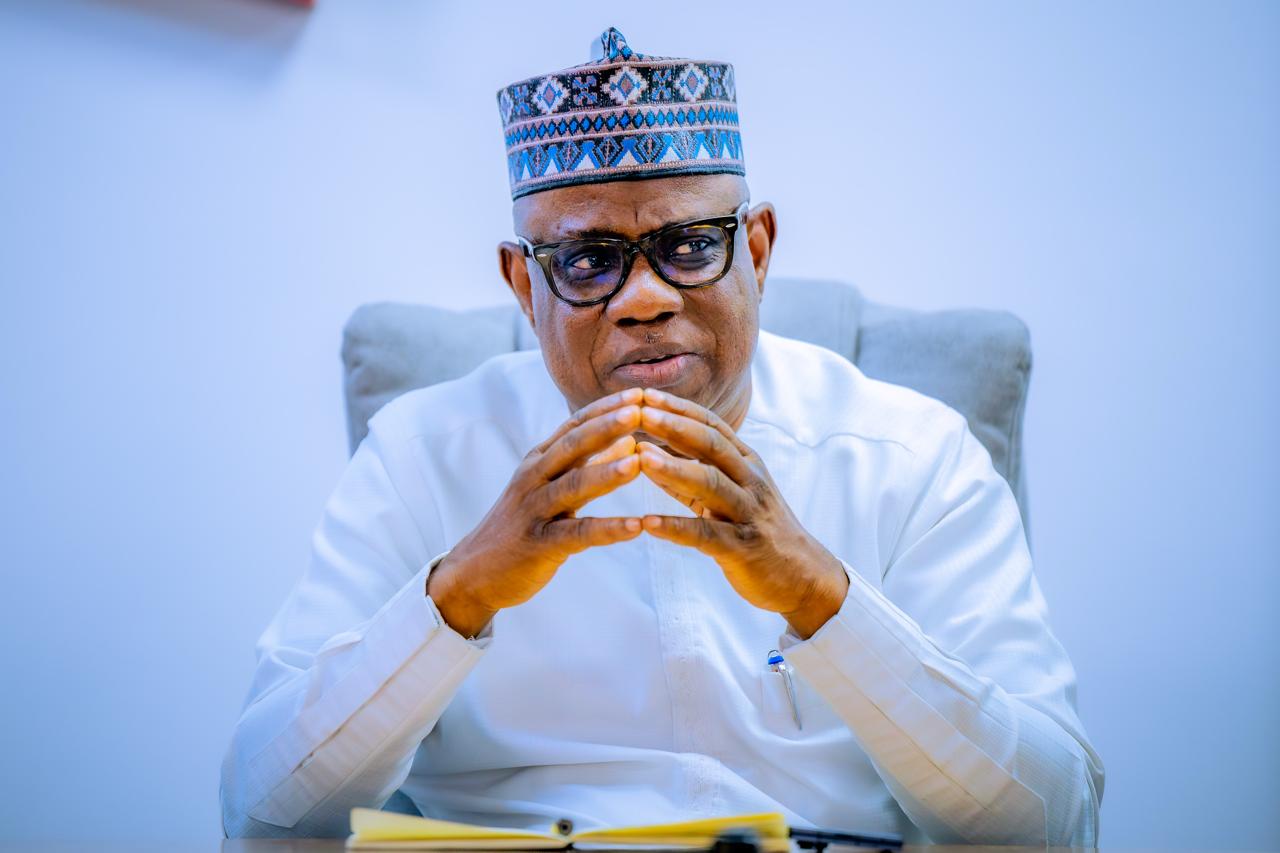
Taiwo Oyedele, Minister of Finance and Coordinating Minister of the Economy, disclosed the Nigeria growth target on Saturday at a news conference on the sidelines of the 2026 World Bank/IMF Annual Meetings. He said he was confident the economy could outperform the Fund’s forecast.
Nigeria growth target hinges on lower inflation and cheaper credit
Oyedele described the IMF growth forecast as conservative, saying the Fund’s projections have historically proved too low and that this year would be no different.
He said the government plans to back the Central Bank of Nigeria’s (CBN) monetary policy with fiscal measures to speed up growth. He named food, energy and logistics costs as the main sources of inflationary pressure and said the government is working to address them.
Cutting inflation to low single digits could open the way to single-digit interest rates, he said, making credit more affordable. Businesses currently facing lending rates close to 30% could grow faster if borrowing costs fell.
He credited the CBN for the foreign exchange stability, saying the naira has remained stable and is appreciating. He also pointed to foreign exchange reforms and changes to Nigeria’s tax system within two years as significant policy developments.
Kanyi Daily reports that Oyedele described “Nigerian Rising” as the government’s way of communicating the country’s reform progress, growing international recognition and emerging opportunities. He urged Nigerians to look beyond negative headlines.
Oyedele warns against reversing fuel subsidy removal
On the relationship between investors’ interests and public welfare, the minister argued that sustainable economic policies can serve both by benefiting citizens while attracting investment.
He warned that reversing key reforms, particularly fuel subsidy removal, could trigger capital flight, weaken the naira and create fresh economic pressure. Policy decisions must weigh long-term consequences, he said, because reversals can undermine investor confidence and stability.
Oyedele also clarified that discounts offered through commercial pricing arrangements should not automatically be classified as fuel subsidies.
IMF forecast sits below the Nigeria growth target
Earlier this month, reports shows that the IMF raised Nigeria’s 2026 growth forecast to 4.2% from 4.1% in its October 2026 World Economic Outlook, while keeping its 2027 projection at 4.3%.
- The report, titled Resilience Under Strain, Urgent Choices, attributed Nigeria’s outlook partly to improved macroeconomic stability and favourable terms of trade.
- The Fund warned that higher prices of essential goods could worsen poverty and food insecurity despite the better growth outlook.
- It called for targeted, temporary cash transfers and income support to help vulnerable households cope with rising food and energy costs.
The Fund’s projections remain below the government’s 7% ambition, leaving a gap of more than 2.5 percentage points between the official target and the IMF’s expectation for 2027.