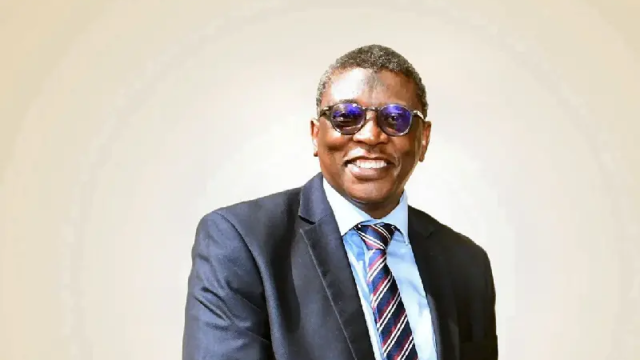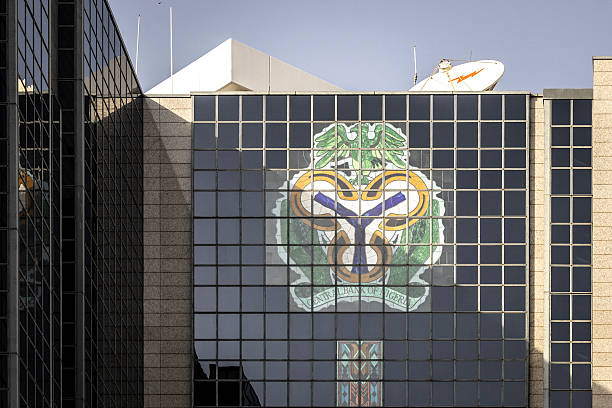
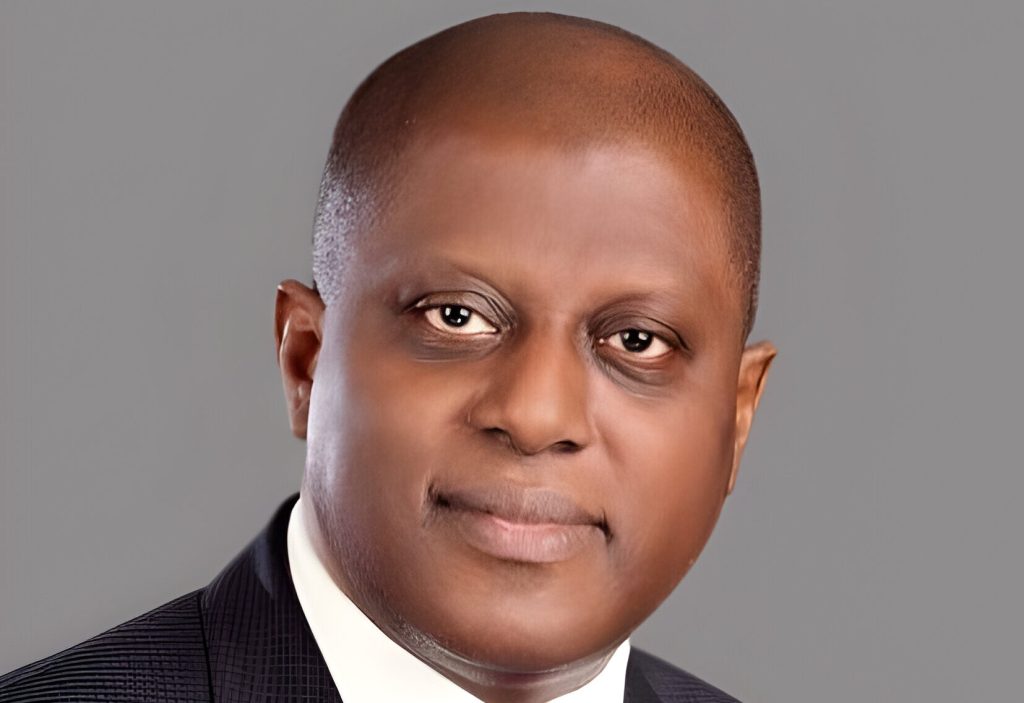
ABIDJAN, Côte d’Ivoire — The Governor of the Central Bank of Nigeria, Olayemi Cardoso, has called for greater representation for Nigeria in the governance of the proposed ECOWAS Monetary Union, arguing that countries making larger financial contributions should have a corresponding say in decisions.
A statement released by the Central Bank on Sunday, November 22, 2026, said Cardoso made the case while representing Nigeria at the ministerial session of the sixth Presidential Task Force meeting on the ECOWAS Single Currency Programme in Abidjan. The meeting brought together finance ministers and central bank governors from member states to deliberate on institutional and governance arrangements ahead of the phased introduction of the single currency from 2027.
Cardoso said Nigeria’s financial commitments, economic weight and exposure to the risks of the proposed regional monetary bloc should be reflected in its role in the institutions that will oversee the currency. He said that while regional solidarity and the equality of member states remain important, they must be balanced against the financial responsibilities and risks borne by individual countries.
He said bigger economies carry much of the burden and should also play a significant role because of the risk and systemic importance they bring to the sub-region. He added that countries making substantial commitments must be able to justify them to their parliaments and civil society, particularly where their influence does not match their obligations.
Cardoso said Nigeria would commit significant financial resources, reserves and institutional capital to establishing the single currency. He said that made it reasonable for the country’s participation in governance to reflect the scale of those commitments.
He stressed that Nigeria’s position was not driven by a desire for dominance, but by its responsibility as West Africa’s largest economy and one of the main contributors to the proposed union. He reaffirmed Nigeria’s commitment to the successful establishment of the currency.
The governance discussions covered the location of the monetary union’s institutions, leadership appointments and the distribution of authority among participating countries. Cardoso warned that decisions on these matters would shape the credibility of the union among investors and development partners, and said the framework must give every member state a tangible stake in the union’s success.
Earlier this year, central bank governors from 12 West African countries, including Nigeria, met in Monrovia, Liberia, to advance technical and institutional preparations for the currency. The project is intended to strengthen monetary cooperation, facilitate cross-border trade, reduce transaction costs and deepen economic integration among ECOWAS member states.