ABUJA, Nigeria — Investors submitted ₦1.08 trillion in bids for the 364-day Nigerian Treasury Bill at the auction held on Wednesday, November 11, 2026, almost 1.8 times the ₦600 billion offered for that tenor.
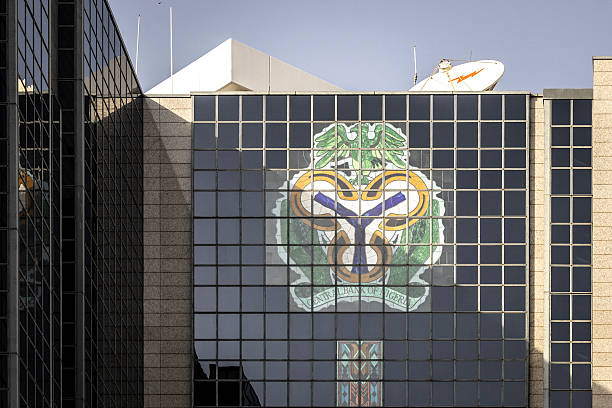
The Central Bank of Nigeria ran the auction on behalf of the Debt Management Office. The one-year bill accounted for about 96.2% of total subscriptions, which reached about ₦1.12 trillion across the three tenors.
Demand for the shorter bills was weak. Investors bid ₦19.18 billion for the 91-day bill, against ₦100 billion offered, and ₦23.02 billion for the 182-day bill, against the same amount. Together, the two shorter tenors drew about 21.1% of their combined ₦200 billion offer.
The Central Bank allotted ₦713.31 billion of the ₦800 billion advertised, leaving ₦86.69 billion unallotted. Of that, ₦672.91 billion went to the 364-day bill, which is ₦72.91 billion above its advertised offer, or about 94.3% of total allotments. The 91-day bill received ₦18.12 billion and the 182-day bill ₦22.28 billion.
Stop rates were 15.40% for the 91-day bill, 15.79% for the 182-day bill and 15.89% for the 364-day bill. The one-year rate rose nine basis points from 15.80% at the November 4 auction, while the shorter-tenor rates were unchanged. The one-year bill offers only 49 basis points more than the 91-day bill and 10 basis points more than the 182-day bill.
Secondary-market yields were higher than the primary-market stop rates for the 91-day and 182-day bills, according to the analysis. The 91-day stop rate was about two percentage points below its secondary-market yield of 17.40% on November 11.
The Treasury Bill maturities settling on November 12 totalled about ₦148.57 billion, against which the ₦800 billion offer was set.