Education
Journalists Hold Key to Nigeria’s Cultural Memory, Says Yemisi Shyllon Museum Director

Journalists and cultural experts gathered in Lagos for a workshop titled “New Narratives and Singular Communication in Journalism: The Museo del Prado Experience,” where discussions focused on how journalism and museums shape cultural memory in the digital age
The workshop organized by Casa África, the Embassy of Spain in Abuja, The Yemisi Shyllon Museum of Art, Pan-Atlantic University and Museo Nacional del Prado, Spain, brought together journalists, academics and museum professionals to examine the future of cultural journalism.
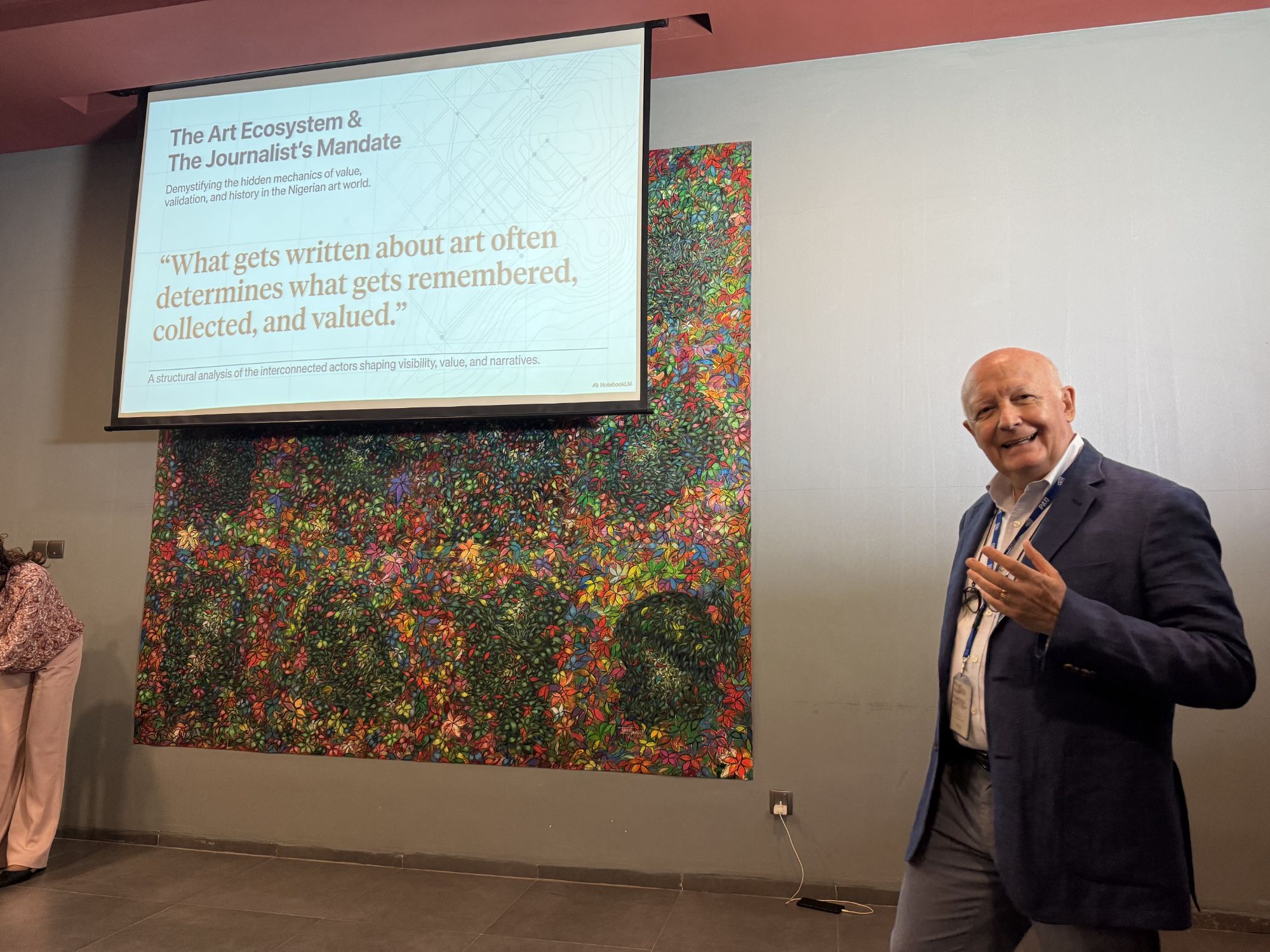
Speaking during one of the sessions, Director of the Yemisi Shyllon Museum of Art, Jess Castellote, described journalists as powerful gatekeepers within the cultural and artistic ecosystem.
“When journalists decide which exhibitions, artists or cultural events to cover, they influence what audiences see, discuss and remember,” Castellote said.
He explained that media coverage goes beyond documenting events, arguing that it actively shapes cultural history by determining which creative works gain recognition and long-term relevance.
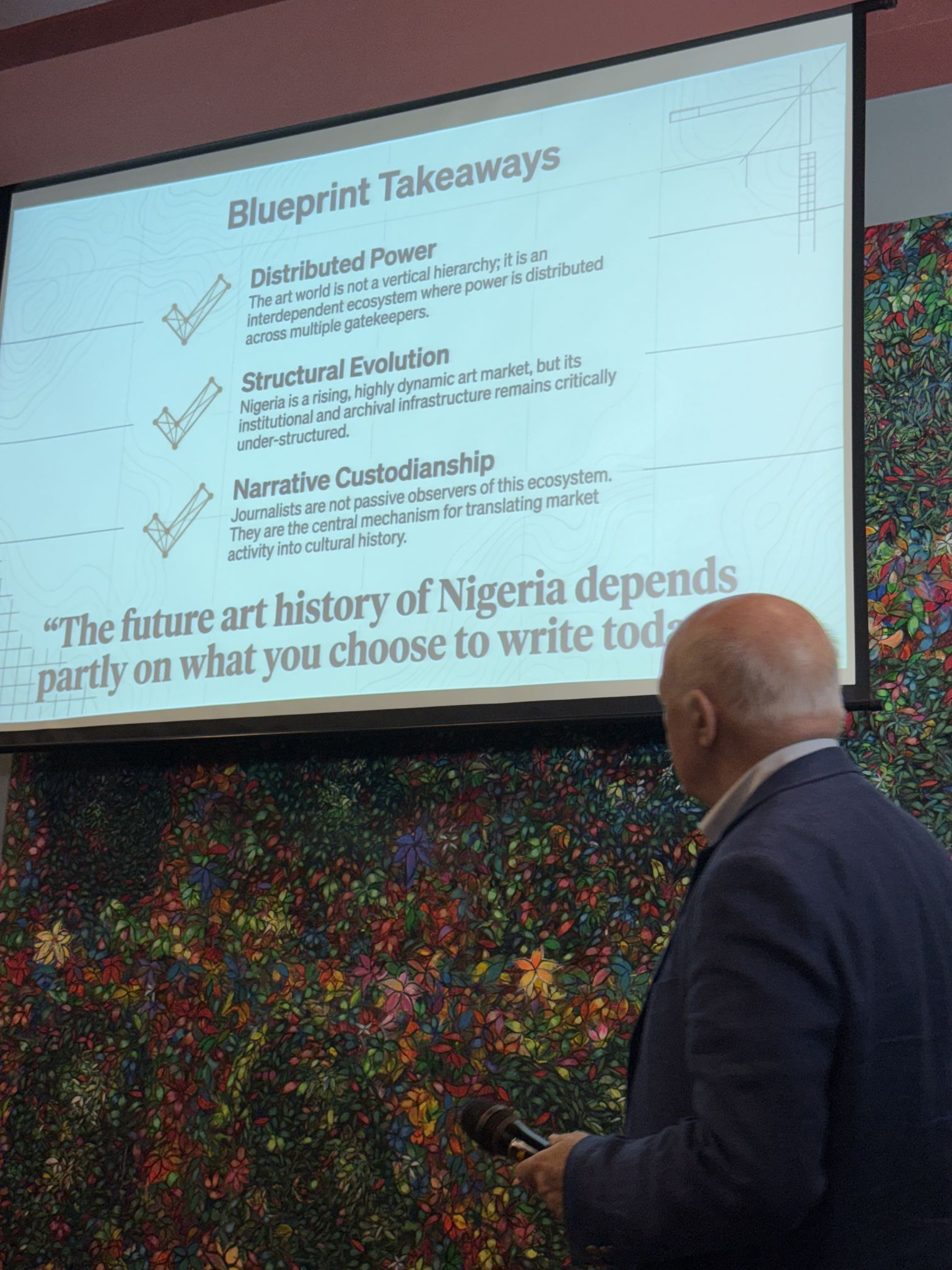
Castellote noted that Nigeria’s art sector remains vibrant but faces structural challenges, including limited museum infrastructure, weak documentation systems and insufficient institutional support.
According to him, these gaps make cultural journalism even more important, as media attention often becomes the primary record of artistic activity in the country.
He added that in many cases, journalists effectively fill the void left by underdeveloped cultural institutions by preserving narratives that might otherwise be lost.
The workshop also addressed emerging challenges in newsrooms, particularly the increasing use of artificial intelligence in journalism.
Researcher and senior academic at Pan-Atlantic University, Dr. Nwachukwu Egbunike, urged journalists to adopt AI tools responsibly while maintaining cultural sensitivity and editorial integrity.
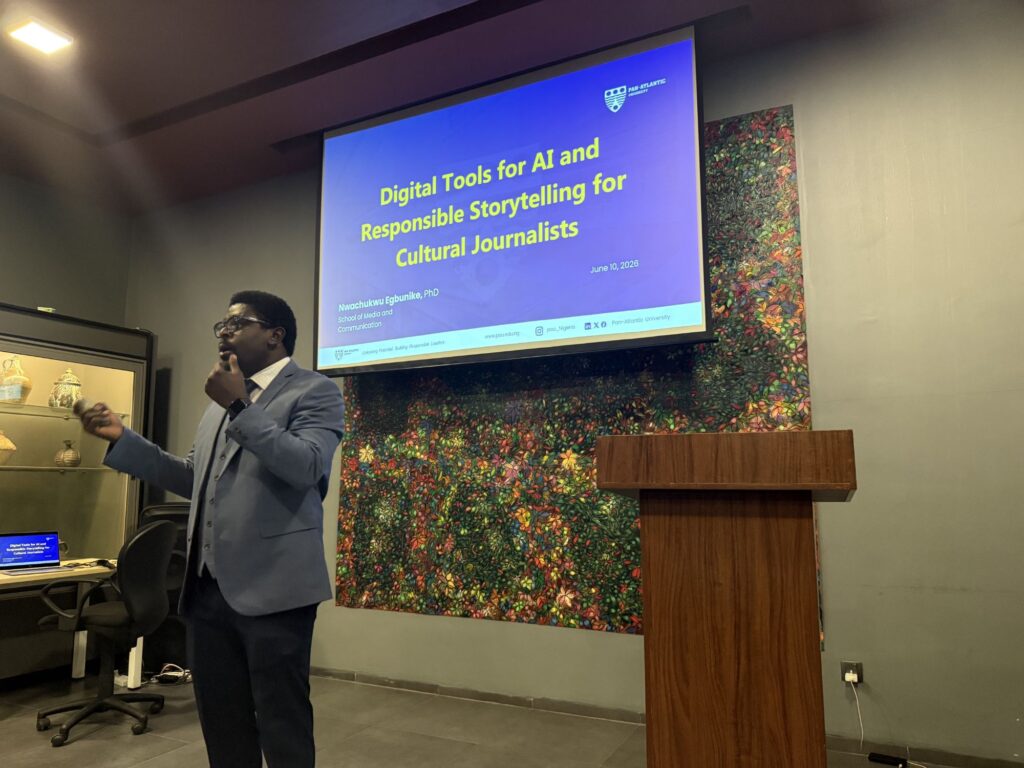
He warned that overreliance on global datasets could weaken local perspectives and reduce the cultural depth of storytelling.
“How do we now use AI tools without losing touch with our cultural sensitivity?” he asked.
Participants were encouraged to view arts journalism not just as event reporting, but as a critical tool for cultural preservation and public education.
A panel discussion titled “A Critical Conversation on Ethics, Responsibility and Judgment in Cultural Journalism” brought together Dr. Ikechukwu Obiaya, Dean of the School of Media and Communication at Pan-Atlantic University; Sunshine Alaibe, Director of Art Report Africa; and artist Wale Alimi.
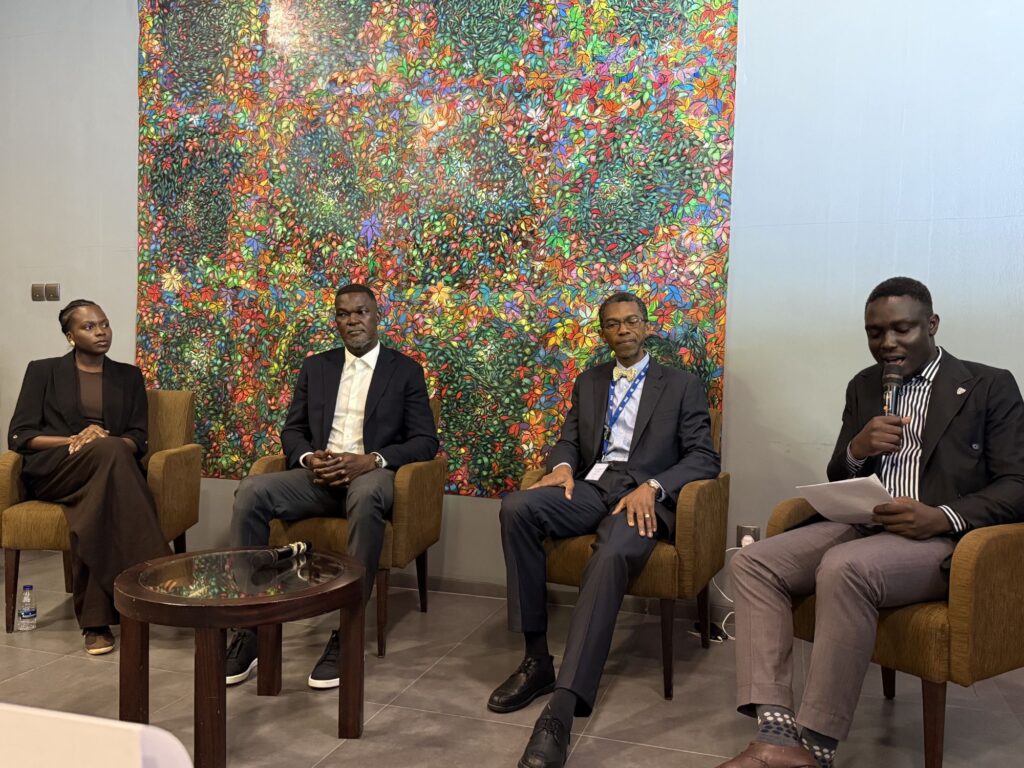
The panel examined the ethical responsibilities of cultural journalists, particularly in how they interpret, critique, and represent artistic works and broader cultural narratives.
During the discussion, participants also raised concerns about the working relationship between artists and the media.
Some journalists argued that artists often do not financially support cultural platforms or journalists, yet still expect consistent media coverage of their work and projects.
Others, however, pointed to a different dynamic, noting that journalists sometimes invest time in promoting emerging artists, only for such relationships to weaken once those artists achieve wider recognition or “break through” in the industry.
The debate highlighted ongoing tensions around sustainability, recognition, and the value exchange between artists and media practitioners within the cultural ecosystem.
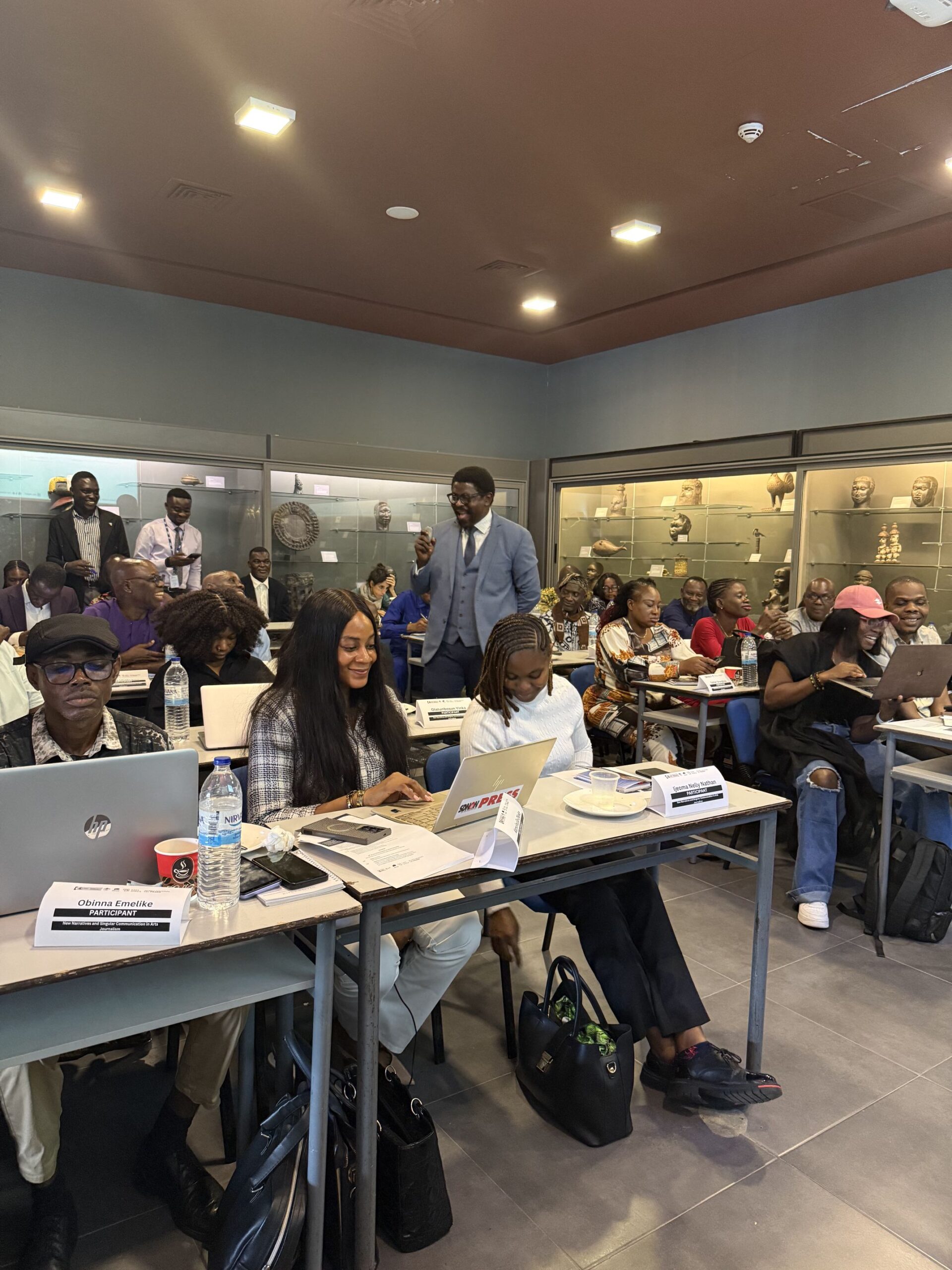
Panelists stressed that these dynamics raise broader ethical questions about independence, fairness, and long-term professional integrity in cultural journalism. They emphasized the importance of fairness, contextual understanding, and sound editorial judgment when reporting on arts and culture, particularly in a media environment increasingly shaped by speed, opinion-driven content, and digital amplification.
ALSO READ: How Nigerian Museums Can Compete in the Digital Age: Lessons from Spain’s Prado Museum
Speakers also discussed the tension between creative expression and journalistic responsibility, noting that cultural journalism requires not only reporting skills but also a deep sensitivity to artistic intent, context, and cultural meaning.
They concluded that in a rapidly evolving media landscape, journalists remain central to shaping how societies remember and understand their cultural identity.
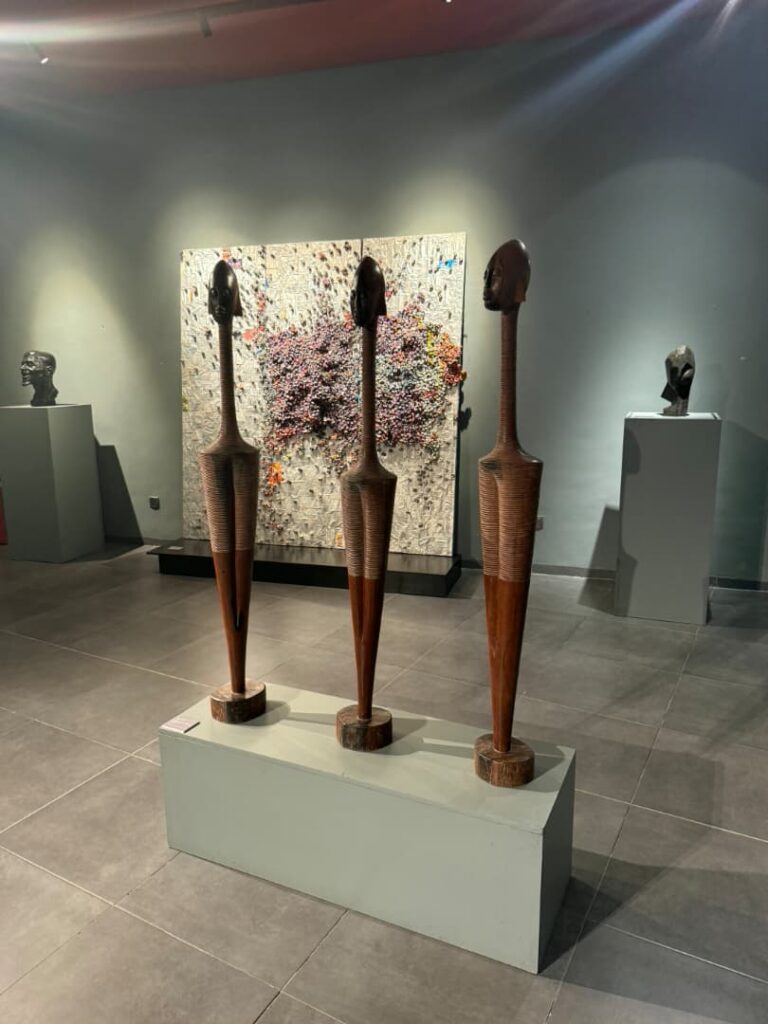
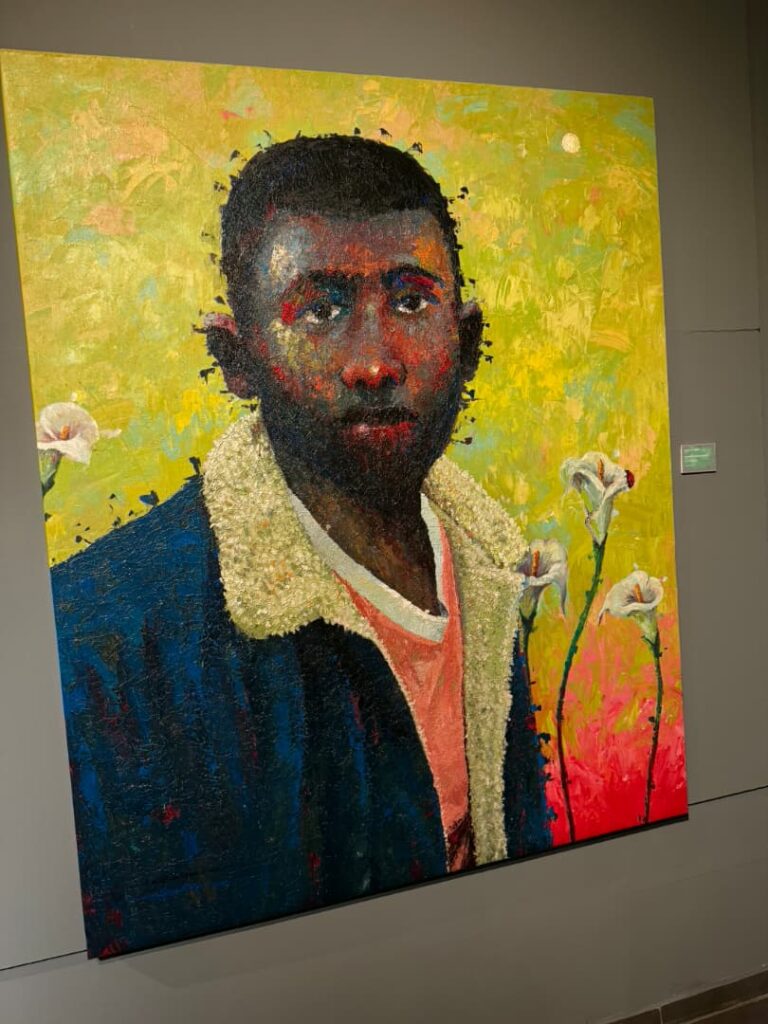
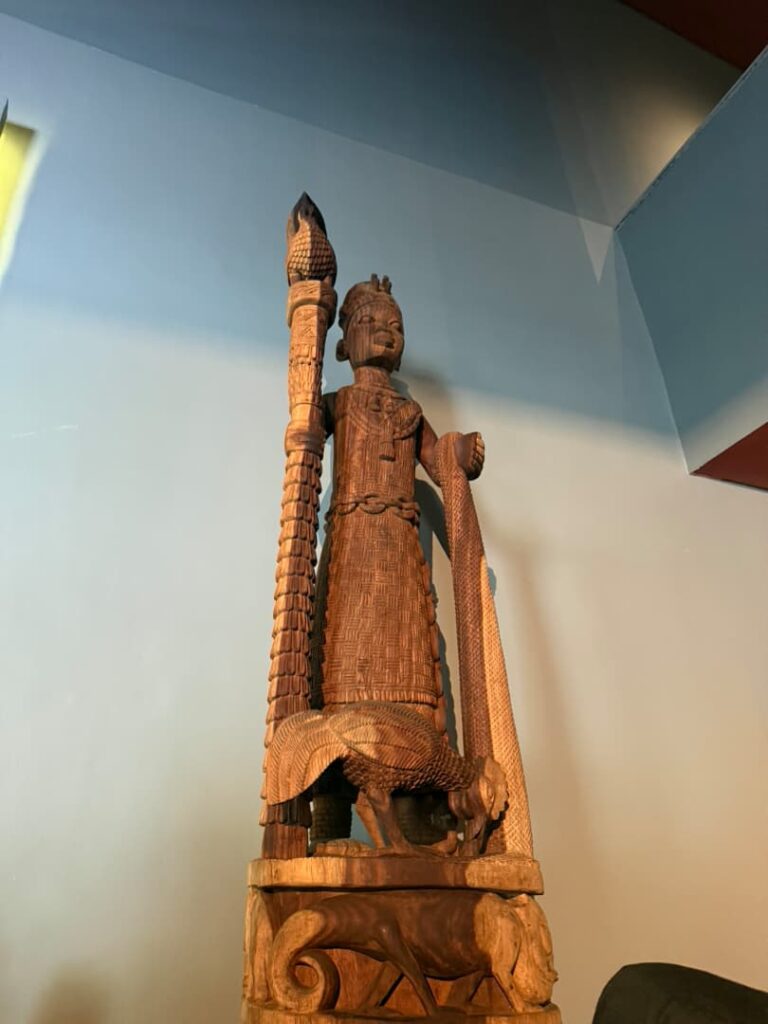
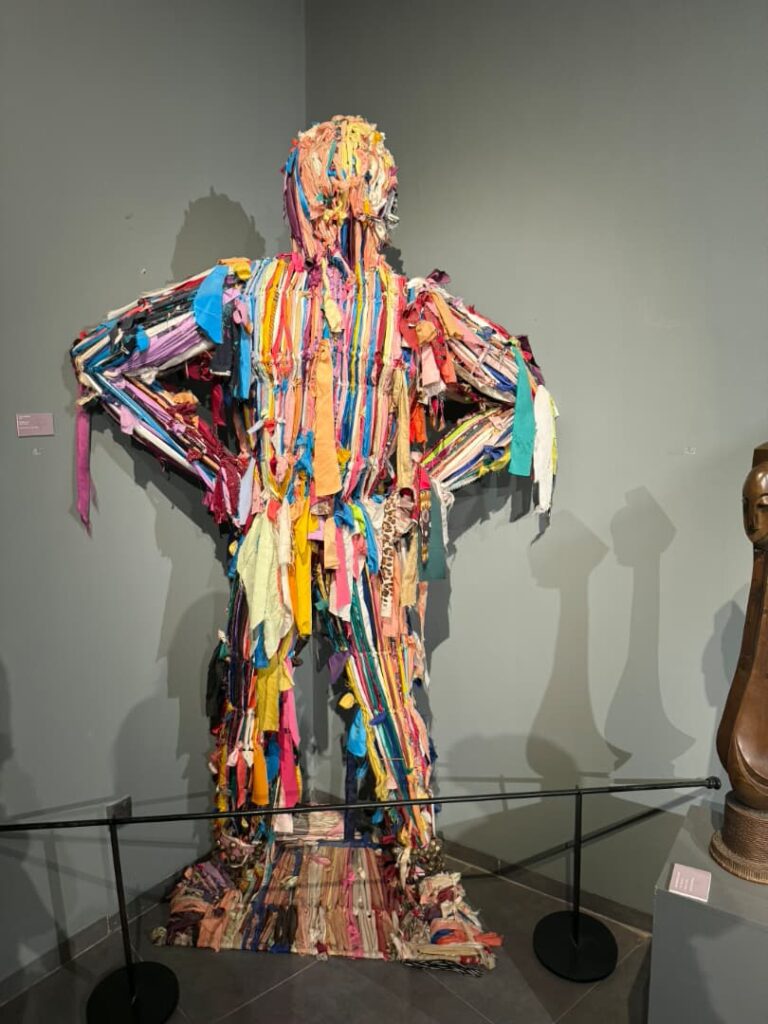
As part of the programme, participants were taken on a guided tour of the Yemisi Shyllon Museum of Art, where they explored works from the museum’s collection and gained deeper insight into its role in preserving and promoting Nigeria’s artistic heritage. A few pictures from the museum below;
Yemisi Shyllon Museum of Art photos
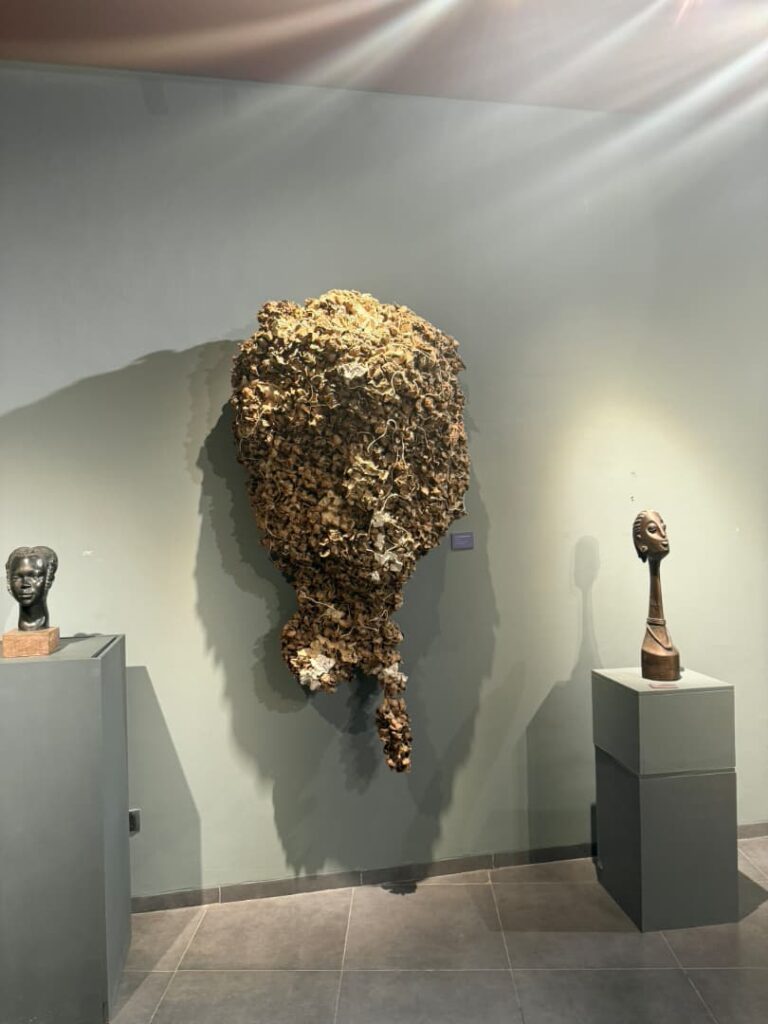
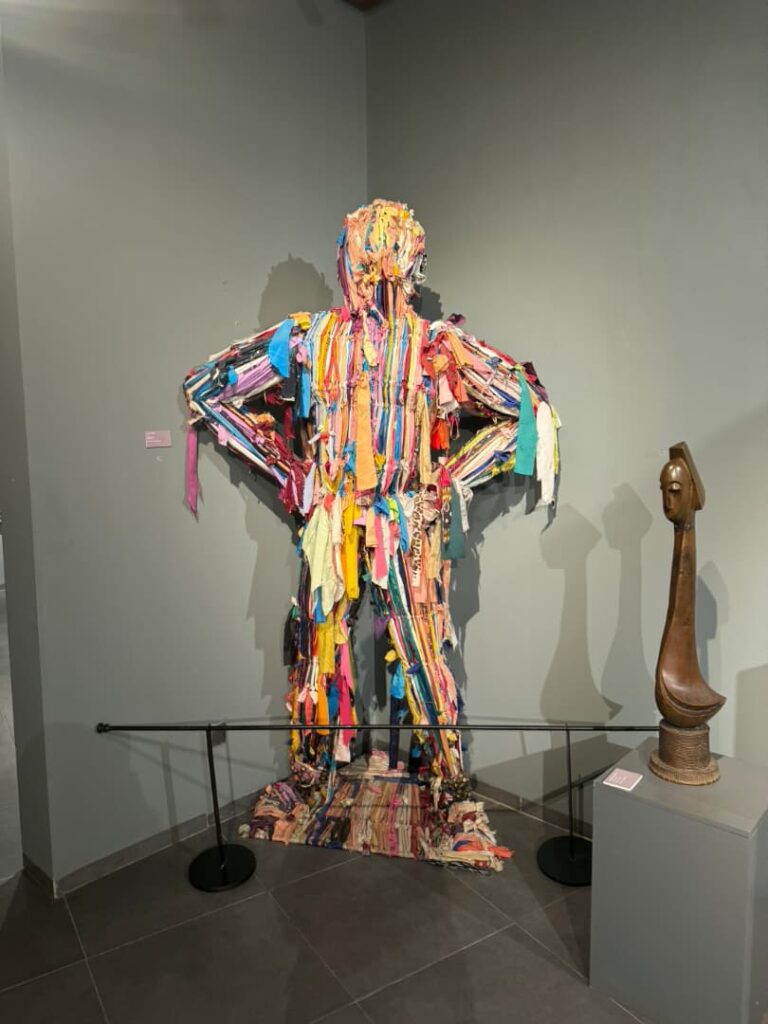
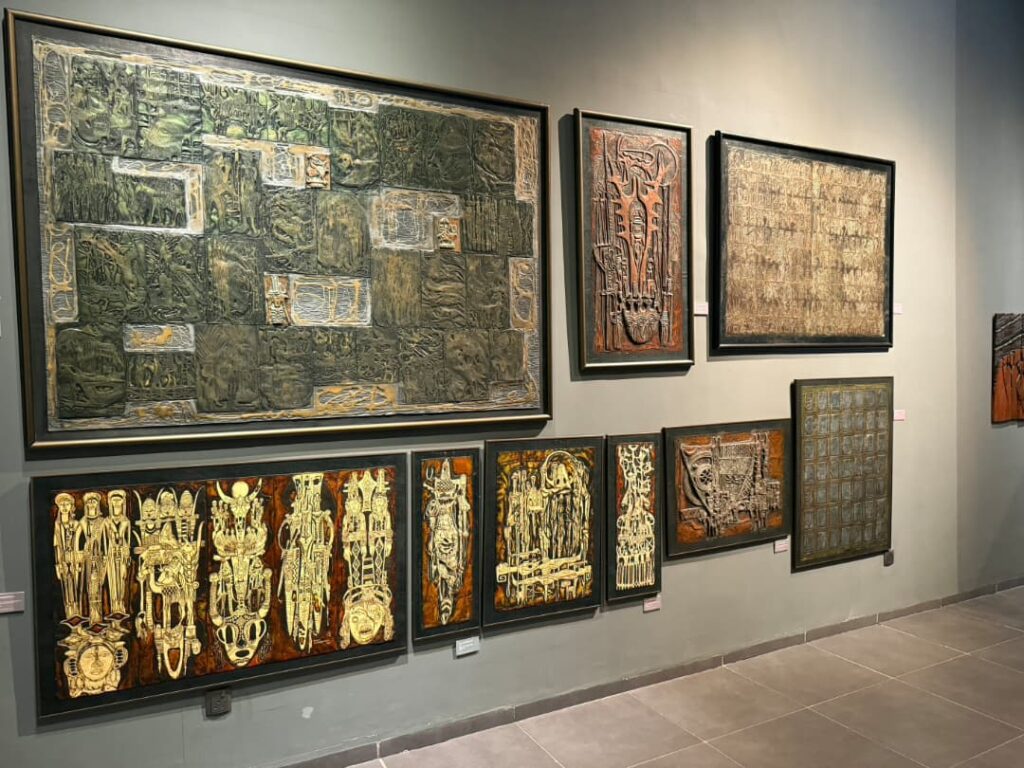
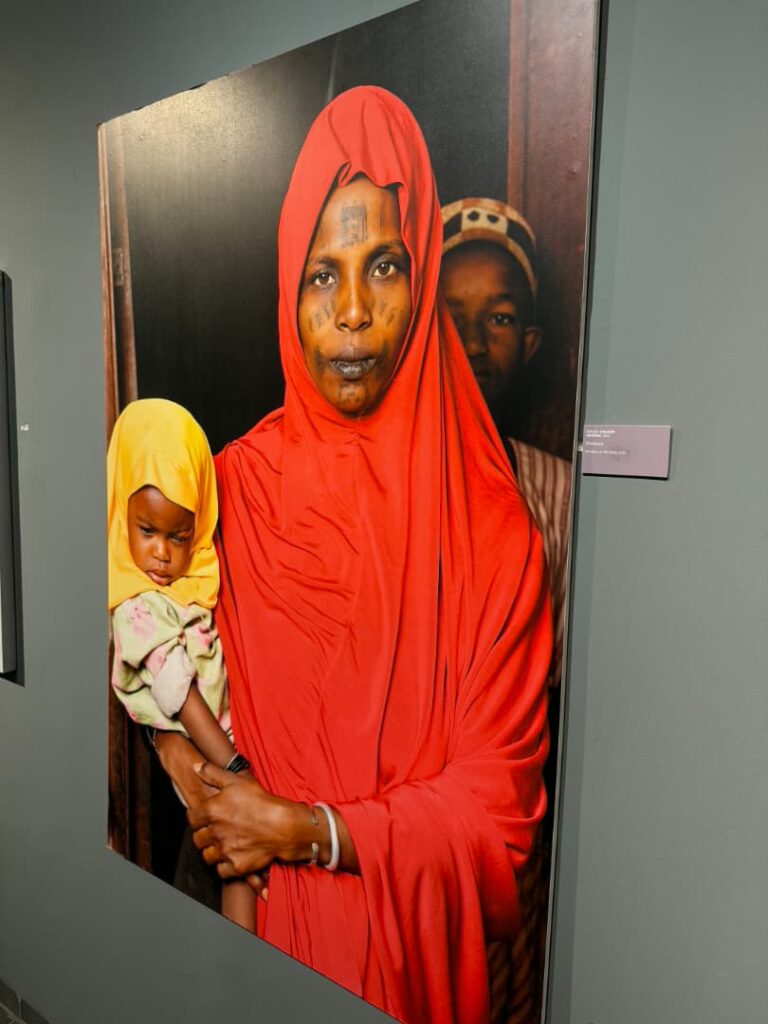
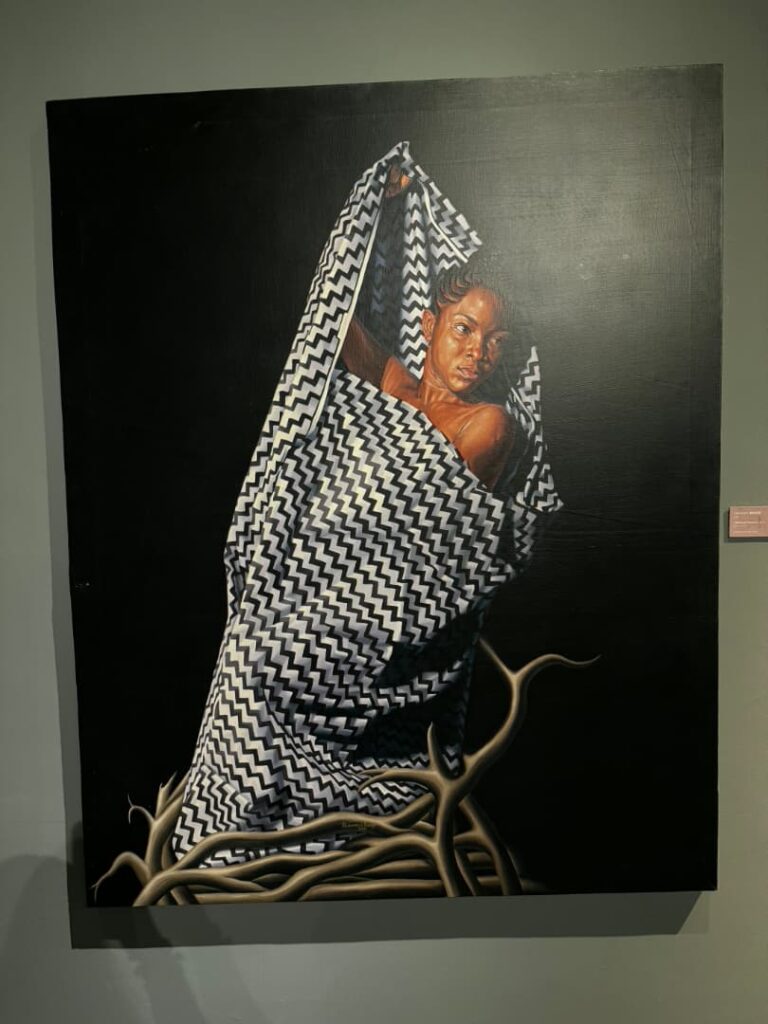
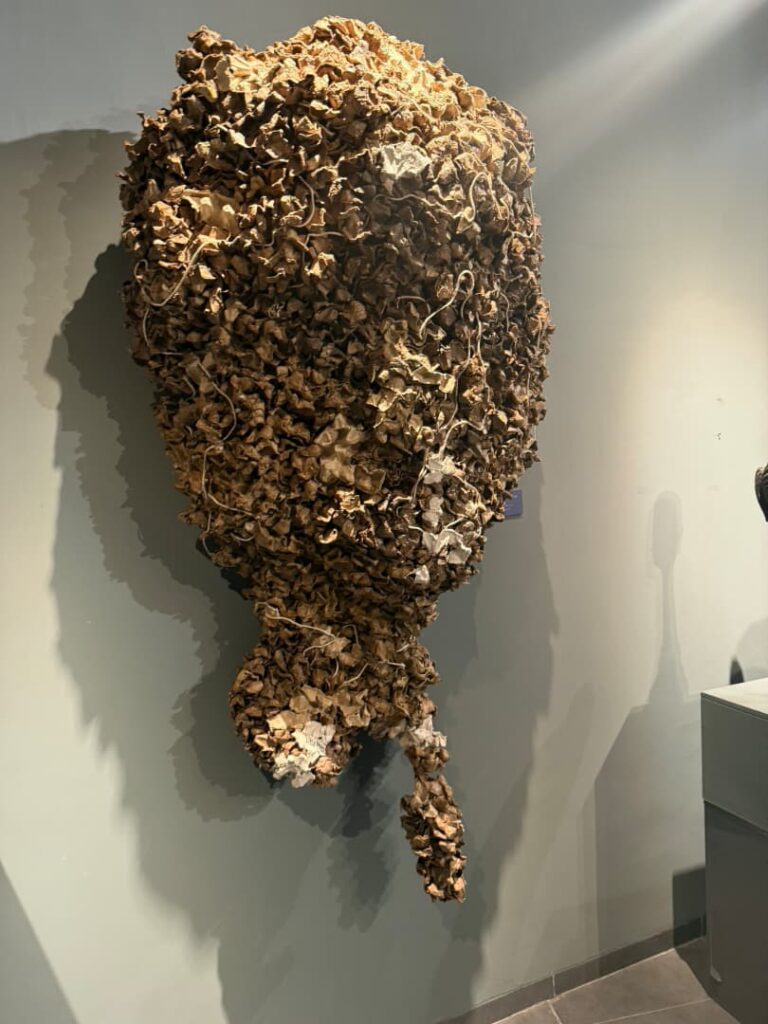
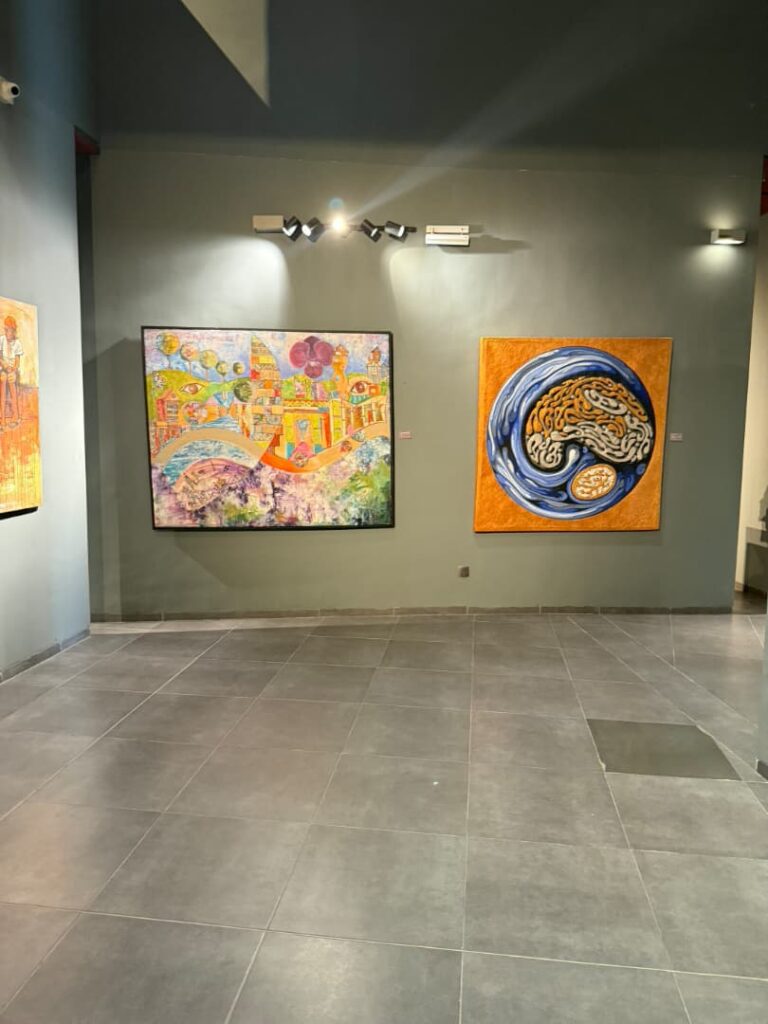
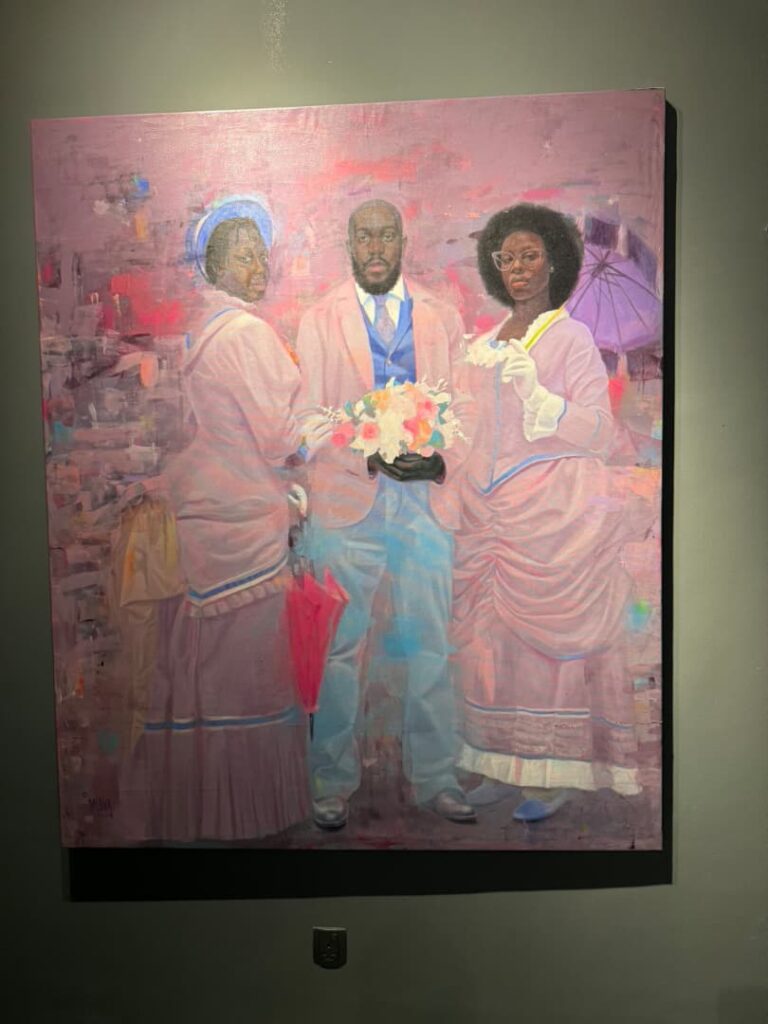
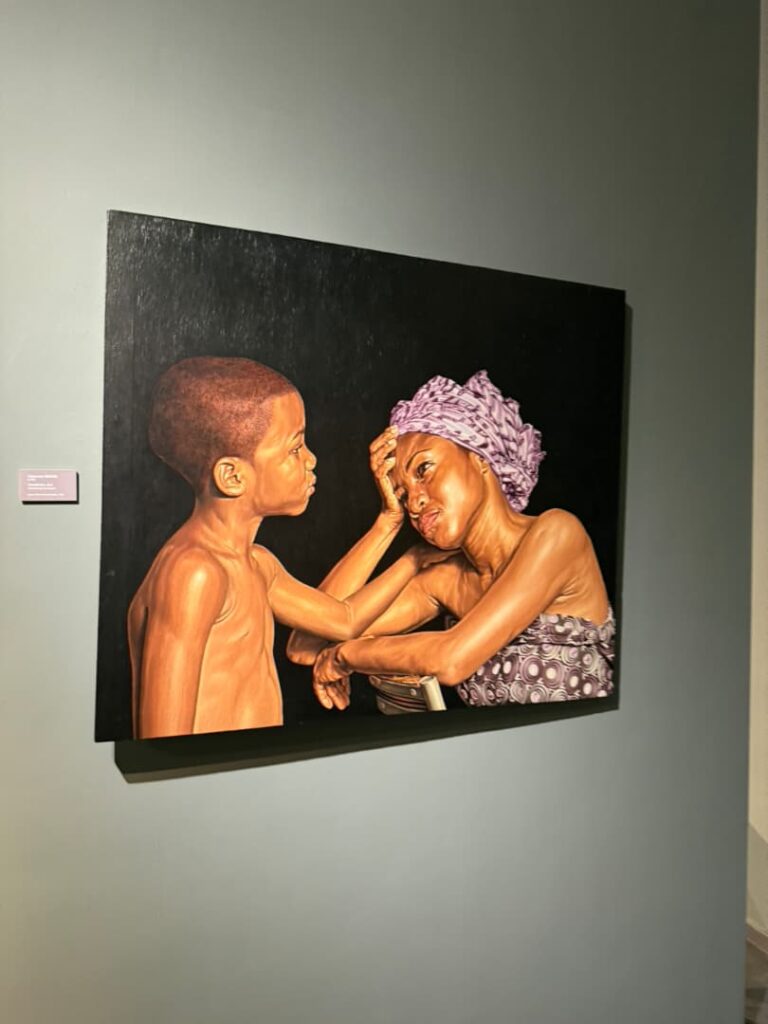
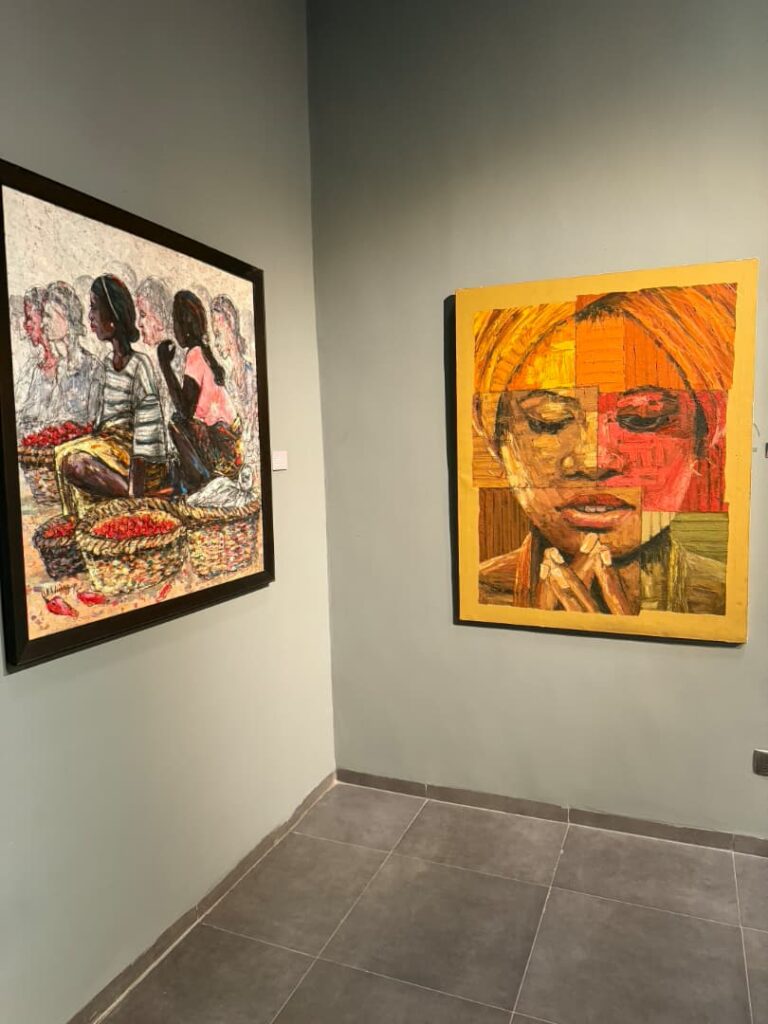
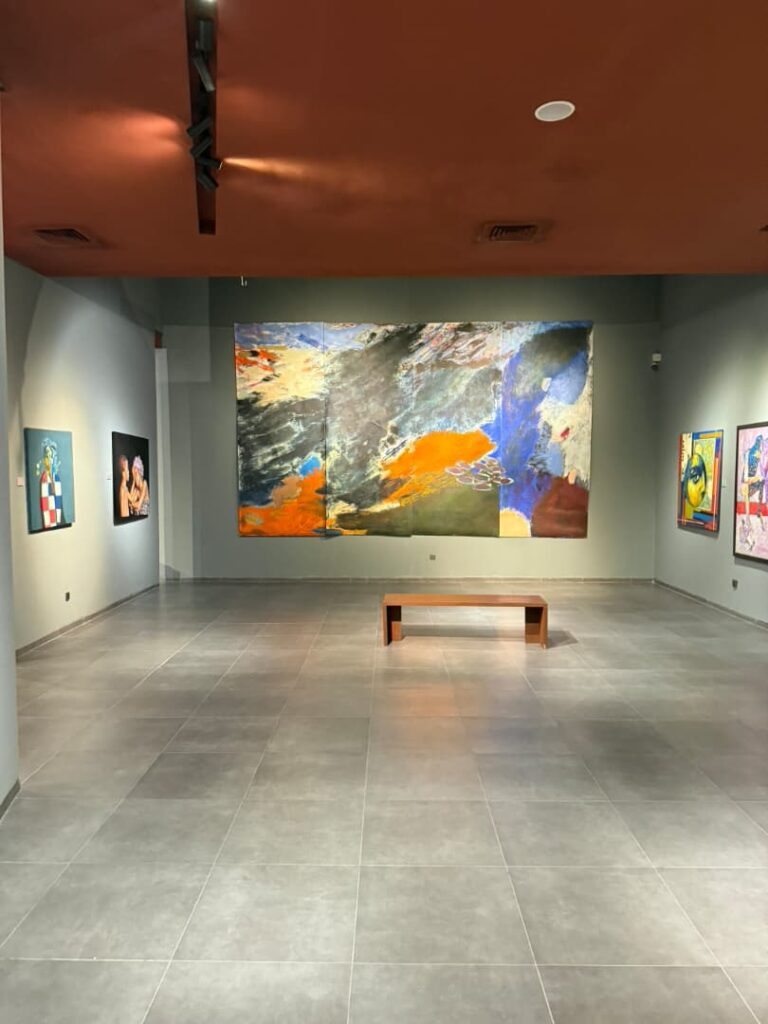
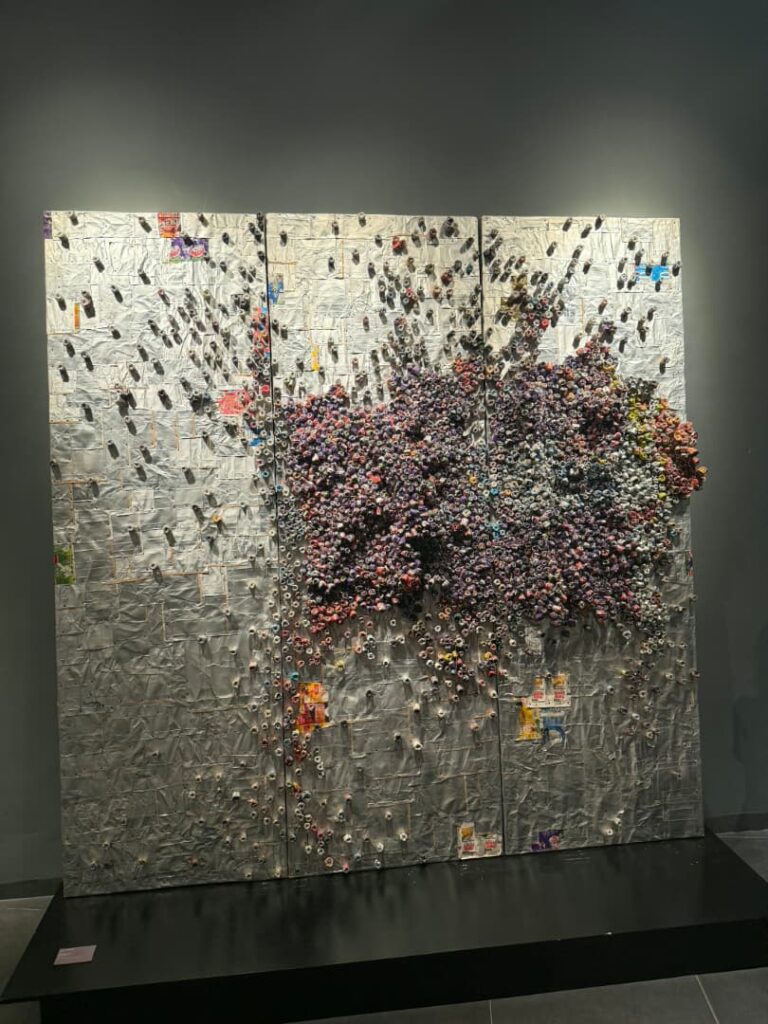
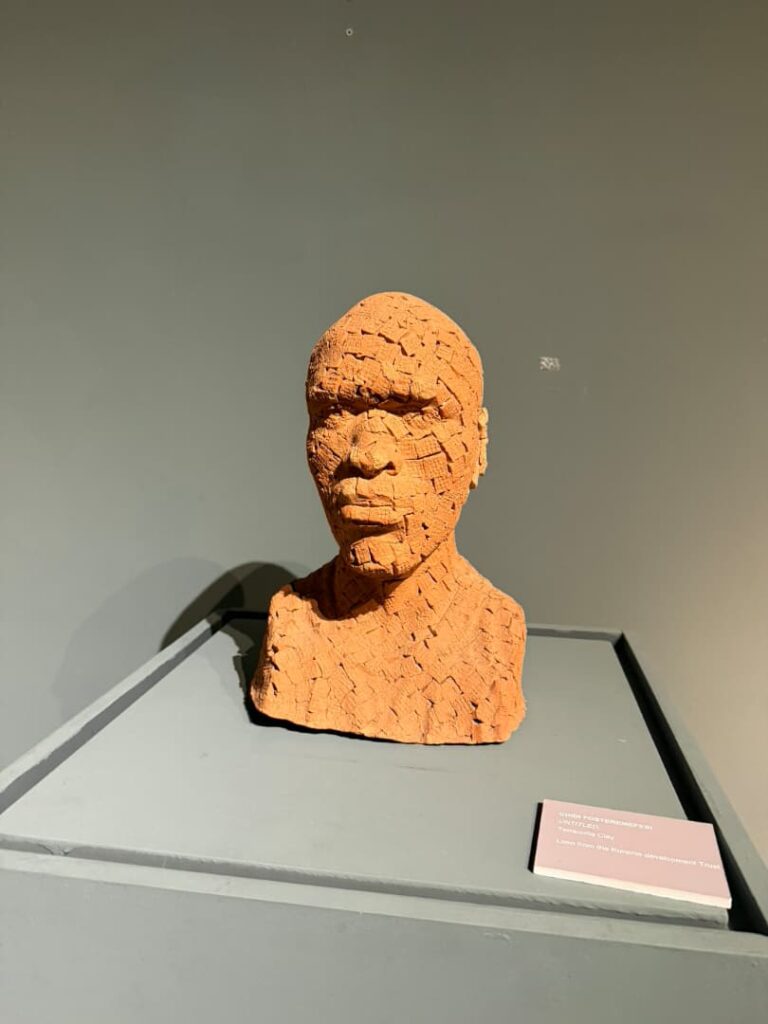
Thanks to the generous support of Aisha and Gbenga Oyebode, you can now enjoy access to the museum free of charge from June 15, and entry will remain free for the next three years.




![Owoeye Jesudunsin Emerges Highest Scorer In 2026 UTME With 372 [Full List]](https://media.kanyidaily.com/2026/05/12112747/Owoeye-Jesudunsin.jpeg "Owoeye Jesudunsin Emerges Highest Scorer In 2026 UTME With 372 [Full List] 76")
![Owoeye Jesudunsin Emerges Highest Scorer In 2026 UTME With 372 [Full List]](https://media.kanyidaily.com/2026/05/12112747/Owoeye-Jesudunsin-80x80.jpeg "Owoeye Jesudunsin Emerges Highest Scorer In 2026 UTME With 372 [Full List] 77")