Nigeria recorded the world’s highest diesel price increase at 82.7% over a specified period, significantly outpacing price movements in other countries, according to a comparative analysis of global fuel pricing trends.
The steep increase in Nigerian diesel prices reflects the combined impact of subsidy removal, naira depreciation and elevated international crude oil prices, placing the country far ahead of other nations experiencing fuel-price pressures.
The analysis highlights the outsized vulnerability of Nigeria’s economy to global energy-price shocks and currency movements, with diesel price increases substantially exceeding those recorded in peer economies and major oil-importing nations.
Nigeria’s diesel prices have surged as the government removed fuel subsidies and allowed market forces to determine domestic fuel costs, aligned with broader economic reform measures aimed at fiscal consolidation and macroeconomic stabilisation.
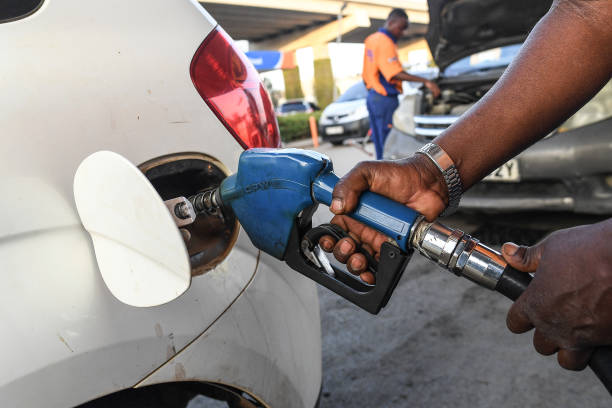
The 82.7% increase demonstrates the scale of pressure facing businesses, transporters and households reliant on diesel for power generation, transportation and manufacturing operations. The price movement has contributed to broader inflation pressures and increased operating costs across multiple sectors of the economy.
Nigeria’s position as the country with the world’s highest diesel price increase underscores the challenges facing oil-dependent economies that import refined petroleum products and face currency depreciation alongside elevated global energy prices.
The Federal Government has announced targeted interventions including petrol discounts and support for compressed natural gas (CNG) vehicle deployment to mitigate fuel-cost pressures on transportation and households, though diesel prices remain a significant concern for industrial and commercial operations.
The sharp price increase also reflects the limited capacity of domestic refineries to meet the country’s diesel demand, with the Dangote Petroleum Refinery still ramping up production and distribution networks expanding to supply broader markets.
Industry analysts note that diesel price sustainability will depend on international crude movements, naira stability and progress in expanding domestic refining capacity to reduce reliance on imported refined products.