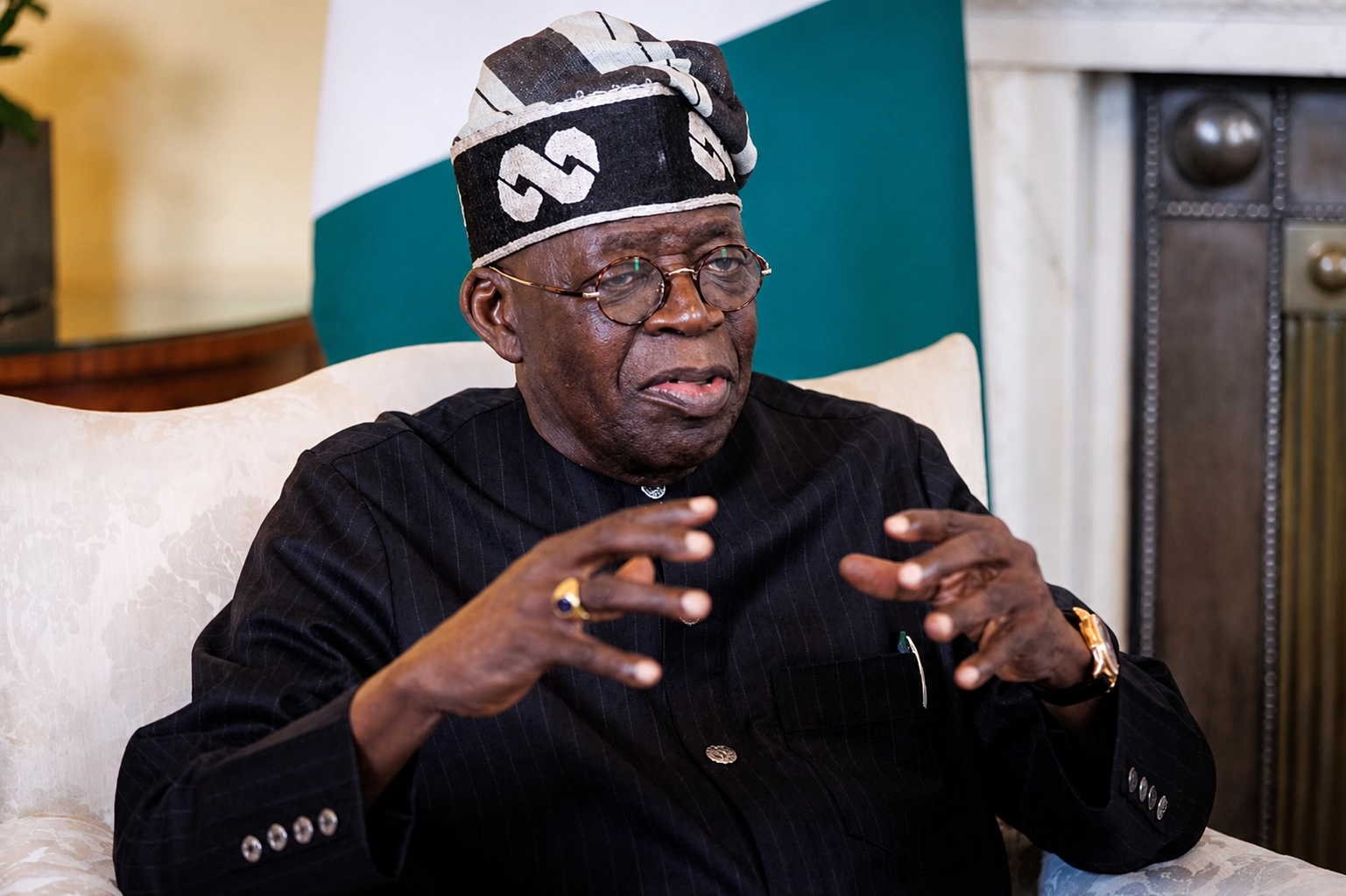
ABUJA, Nigeria — President Bola Tinubu has defended his administration’s borrowing plans, arguing that loans should be judged by the infrastructure they deliver, the economic value they create and their long-term benefits for Nigerians.
In an essay titled “From Reforms to Delivery: Our Infrastructure Investment and Growth Strategy,” published on Thursday, October 29, 2026, Tinubu responded to criticism of the government’s proposed external borrowing. He linked infrastructure development to his goal of building a one trillion dollar economy by 2030.
He said the real question is not how much the country borrows, but what it builds, what value it creates and what future it leaves behind.
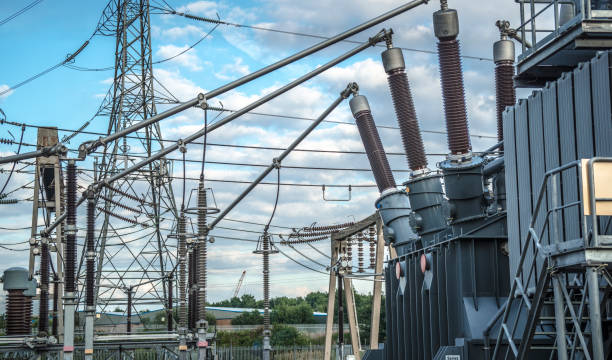
Tinubu named the Lagos-Calabar Coastal Highway, the Sokoto-Badagry Superhighway, the Trans-Sahara Superhighway, electricity grid upgrades and the modernisation of major commercial ports in Lagos as projects expected to strengthen the country’s productive capacity. He said the projects, alongside investment in health, education and vocational training, would improve connectivity, lower logistics costs, expand economic activity and attract private investment.
The Lagos-Calabar Coastal Highway is projected to reduce logistics costs along its corridor by 15% to 20%, and could add up to 2% to Nigeria’s gross domestic product through increased trade, tourism and industrial activity. The project is expected to create about 100,000 direct jobs in construction and engineering, and more than 150,000 indirect jobs in logistics, materials and related services.
Tinubu argued that a one trillion dollar economy would require sustained investment in infrastructure to support productivity, industrialisation and trade. He said the country cannot reach that size with infrastructure designed for an economy a fraction of it.
He credited reforms introduced since May 2023, including petrol subsidy removal, exchange rate unification and tax reform, with strengthening public finances, restoring macroeconomic stability and improving investor confidence. He cited real gross domestic product growth of 4.43% in the second quarter of 2026, and a fall in headline inflation to 14.63% in September from 20.98% a year earlier.
He said gross external reserves stood at $55.1 billion as of October 9, 2026, including about $46 billion in net reserves. He also said the tax-to-gross domestic product ratio had risen to 12.5% from 7%.
Tinubu said stronger economic indicators and positive assessments by international credit rating agencies had improved Nigeria’s standing in financial markets. He argued that this could help the country attract institutional investors, secure longer-term financing and reduce borrowing costs. The government is also seeking longer-term financing that better matches the life of infrastructure assets and reduces refinancing pressure.
Earlier in the week, the President sought Senate approval for a supplementary external borrowing plan of $20.52 billion and €1.05 billion for 2026 and 2027. Former Vice President Atiku Abubakar has called on the President to publish detailed, project-by-project information on how the borrowing would be spent.
Total public debt rose to ₦166.79 trillion as of June 30, 2026, from ₦159.35 trillion at the end of March, according to the Debt Management Office.