The United Nations (UN) has identified Nigeria among oil-exporting nations positioned to benefit from sustained higher energy prices, reflecting improved external sector prospects as crude costs remain elevated amid global supply constraints.
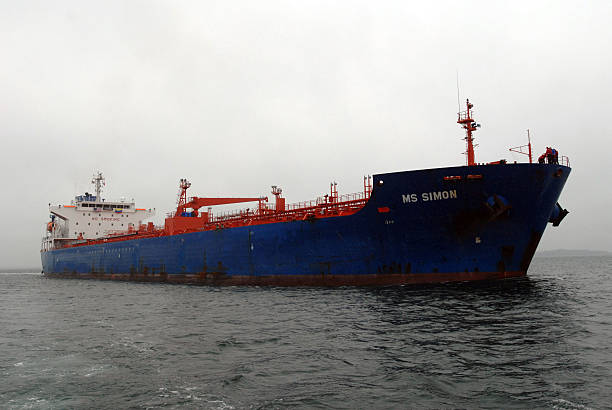
The UN assessment recognises Nigeria’s comparative advantage as an energy exporter in an environment where crude oil prices have climbed above $100 per barrel, driven by Middle East geopolitical tensions and supply disruptions affecting global markets.
The designation underscores the divergence in economic fortunes between energy exporters and energy importers, with Nigeria expected to capture improved trade balances and government revenues from elevated crude valuations over the medium term.
Nigeria’s crude oil production, which has exceeded its OPEC quota in recent months, positions the country to maximise export earnings as international prices remain firm, supporting foreign-exchange inflows and external reserves accumulation.
UN analysis suggests that oil exporters including Nigeria can leverage elevated energy prices to strengthen fiscal positions, rebuild financial buffers and fund development priorities, provided production levels are sustained and refining capacity continues to expand.
The improved external sector outlook contrasts with challenges facing energy-importing nations, which face compounded vulnerabilities from higher fuel import bills, currency pressures and inflation, according to UN assessments of global economic divergence.
Nigeria’s Dangote Petroleum Refinery expansion and growing domestic refining capacity could further amplify benefits by reducing refined-product imports and capturing additional value from crude processing, the UN analysis suggests.
However, the UN cautioned that sustained benefits depend on maintaining production levels, managing currency risks from naira volatility, and ensuring that energy-price windfalls are deployed toward productive investments rather than consumption or unsustainable spending.
The UN assessment aligns with broader international recognition of Nigeria’s improved economic positioning following economic reforms, reserve accumulation and progress in stabilising macroeconomic conditions throughout 2026.