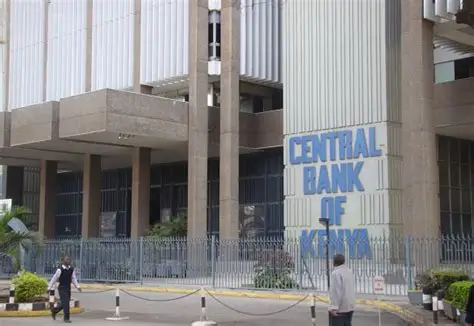
NAIROBI, Kenya — Kenya’s Central Bank and Capital Markets Authority have made licensing mandatory for cryptocurrency and other virtual asset service providers operating in the country, under regulations that tighten oversight of the industry.
In a public notice issued on Friday, November 13, 2026, the two regulators announced that the Virtual Asset Service Providers Regulations, 2026, had been gazetted on July 22, 2026. The regulations require any individual or company that provides, or intends to provide, virtual asset services in Kenya to obtain a licence from the relevant regulator before starting operations.
The regulations put into effect the Virtual Asset Service Providers Act, 2025, which set up the legal framework for licensing and supervising virtual asset businesses. The Act names the Central Bank and the Capital Markets Authority as the two regulators, with responsibility depending on the category of services each business provides, as set out in the Act’s First Schedule.
The Act was gazetted on October 21, 2025, and came into force on November 4, 2025. In a joint notice issued in November 2025, the regulators said the National Treasury Cabinet Secretary would develop the regulations. The Cabinet Secretary then drafted them on the advice of the two regulators.
Businesses must apply to the regulator that matches the nature of their operations. Both regulators have published licensing checklists on their websites and set up separate channels for enquiries. They also plan to publish lists of licensed virtual asset service providers so the public can identify authorised operators.
The two regulators urged existing and prospective businesses to review the licensing requirements and obtain authorisation before operating in Kenya.
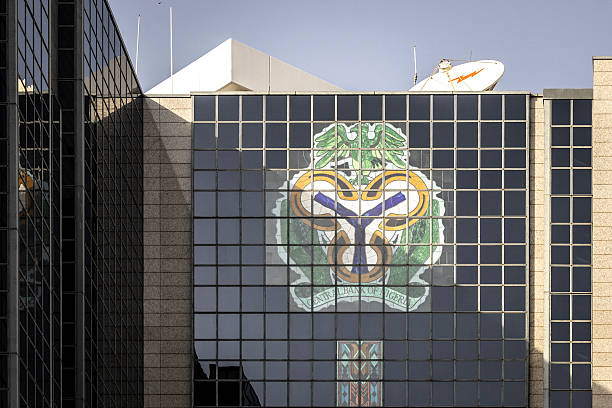
Nigeria is moving in a similar direction. The Central Bank of Nigeria has set a minimum paid-up capital of ₦15 billion for issuers of foreign currency-backed stablecoins, ₦10 billion for naira-backed stablecoin issuers, and ₦1 billion for other virtual asset providers such as exchanges and wallet operators. Foreign stablecoin issuers must operate through a Nigerian-incorporated entity holding a Central Bank licence, maintain a physical office and appoint a resident Chief Compliance Officer.