LAGOS, Nigeria — Nigeria’s target of regaining investment-grade credit status by 2029 may be too optimistic, because the country faces a ratings gap that could take longer than three years to close, according to S&P Global Ratings.
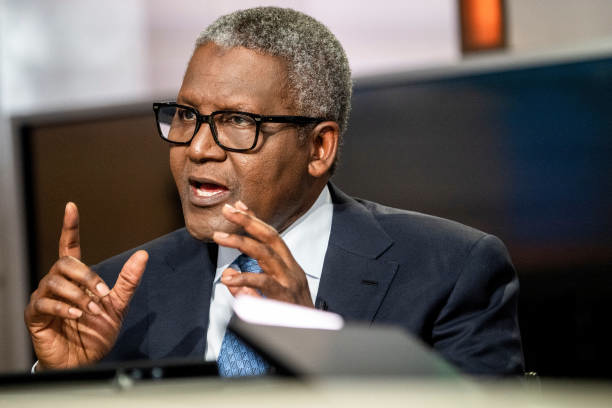
Samira Mensah, Managing Director for Research and Analytics in Africa at S&P Global Ratings, made the assessment in an interview in Lagos, responding to the Federal Government’s ambition to move out of speculative-grade territory by 2029.
She said S&P had not historically seen a sovereign move from a single-B rating to investment grade within three years.
Nigeria currently holds a B rating with a stable outlook from S&P, five notches below investment grade. Fitch Ratings also places the country five levels below the threshold, while Moody’s places it six levels below.
Mensah acknowledged the government’s efforts to improve the economy and public finances. S&P upgraded Nigeria’s rating in May, its first upgrade since 2012, citing ongoing reforms, higher oil prices and improved capacity to refine and export crude oil. The reforms include the removal of petrol subsidies, the liberalisation of the foreign exchange market and changes to the tax system aimed at strengthening government revenue.
She said the government should set an ambitious target but prioritise sustained economic improvement over hitting a particular rating within a fixed period. Progress in the right direction, she said, matters more than the target itself.
Finance Minister Taiwo Oyedele said last month that Nigeria was targeting a return to investment-grade status by 2029 to attract more capital, strengthen investor confidence and deepen financial markets. Investment-grade status generally signals lower default risk and can widen the pool of international investors, potentially lowering borrowing costs for governments and businesses.
Oyedele also said at the National Capital Market Conference in Abuja that Nigeria is targeting inclusion in MSCI’s Emerging Markets classification rather than a return to Frontier Market status. He said the government is engaging MSCI, the global index provider, and that the capital market roadmap aims to expand the market from about ₦250 trillion to ₦750 trillion by 2036.