News
U.S. Imposes New Visa Restrictions on Nigerians Accused of Violating Religious Freedom

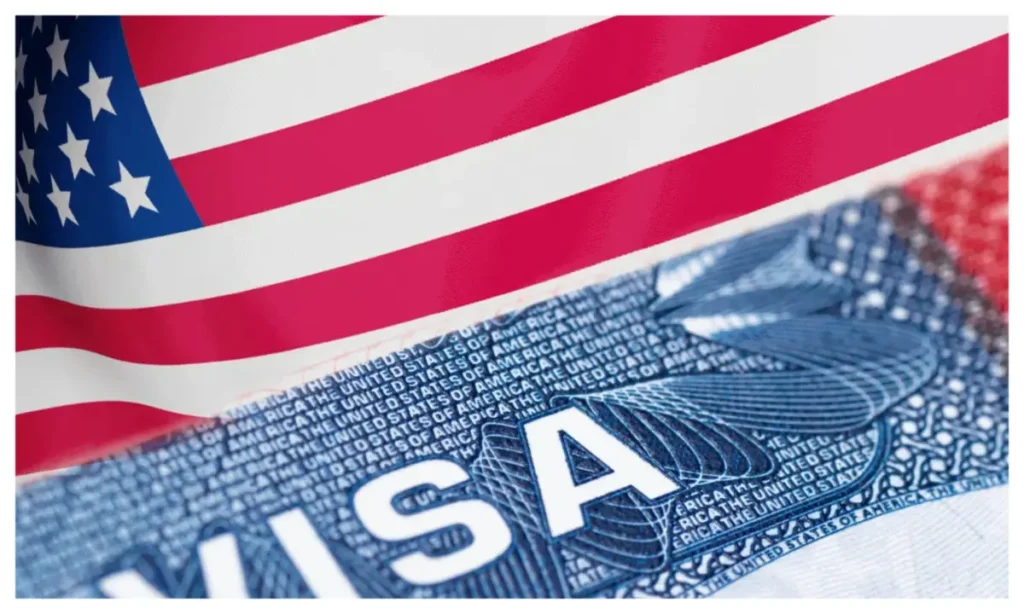
The United States has imposed fresh visa restrictions on a number of Nigerians accused of violating religious freedom, in what Washington describes as a renewed effort to hold perpetrators of faith-based abuses accountable.
 The announcement was made on Wednesday by U.S. Secretary of State Marco Rubio, who disclosed the new policy in a statement shared on his official X page.
Rubio said the decision targets individuals who “knowingly direct, authorize, fund, support, or carry out violations of religious freedom” language that mirrors the U.S. Immigration and Nationality Act provisions on human rights violations.
In his statement, Rubio linked the visa restrictions to what he called “atrocities and violence against Christians in Nigeria and around the world,” signaling a widening U.S. focus on global religious persecution.
“The United States is taking decisive action in response to the atrocities and violence against Christians in Nigeria and around the world,” .
“The Department of State will restrict U.S. visas for those who knowingly direct, authorize, fund, support, or carry out violations of religious freedom.”
Rubio added that the policy applies not only to Nigeria but also to “other governments or individuals that persecute people for their religious beliefs.”
The new restriction is being implemented under a provision of U.S. immigration law, section 212(a)(3)(C) of the Immigration and Nationality Act, which authorizes visa denial to individuals who have committed “particularly severe violations of religious freedom.”
Additionally, the visa ban may also extend to immediate family members of those implicated in the alleged abuses.
Recall that last month, the U.S. formally designated Nigeria as a Country of Particular Concern (CPC), which is reserved for nations deemed responsible for or tolerant of egregious religious-freedom violations.
The move reflects growing concern over repeated incidents of attacks on Christian communities and other religious minorities, often attributed to militant groups, ethnic militias, and clashes rooted in a mixture of religion, ethnicity, and resource conflicts.
The decision signals a willingness by U.S. authorities to hold individuals, rather than entire governments accountable for human-rights abuses.
Nigeria’s government has strongly rejected the U.S. decision. Through its Ministry of Foreign Affairs, it described the allegations of systematic religious persecution as “misinformed,” asserting that Nigeria’s constitutional protections guarantee freedom of religion and that the claims do not represent the reality on the ground.
President Bola Tinubu reiterated that Nigeria remains committed to safeguarding religious liberty for all citizens, regardless of faith. The government argues that violence in Nigeria is driven more by insecurity, criminality and resource conflicts than by organized religious persecution.