News
Nigeria’s Problem Is Low Revenue, Not Debt – World Bank

The World Bank said Nigeria’s biggest economic challenge is not the size of its debt but the country’s low level of government revenue.
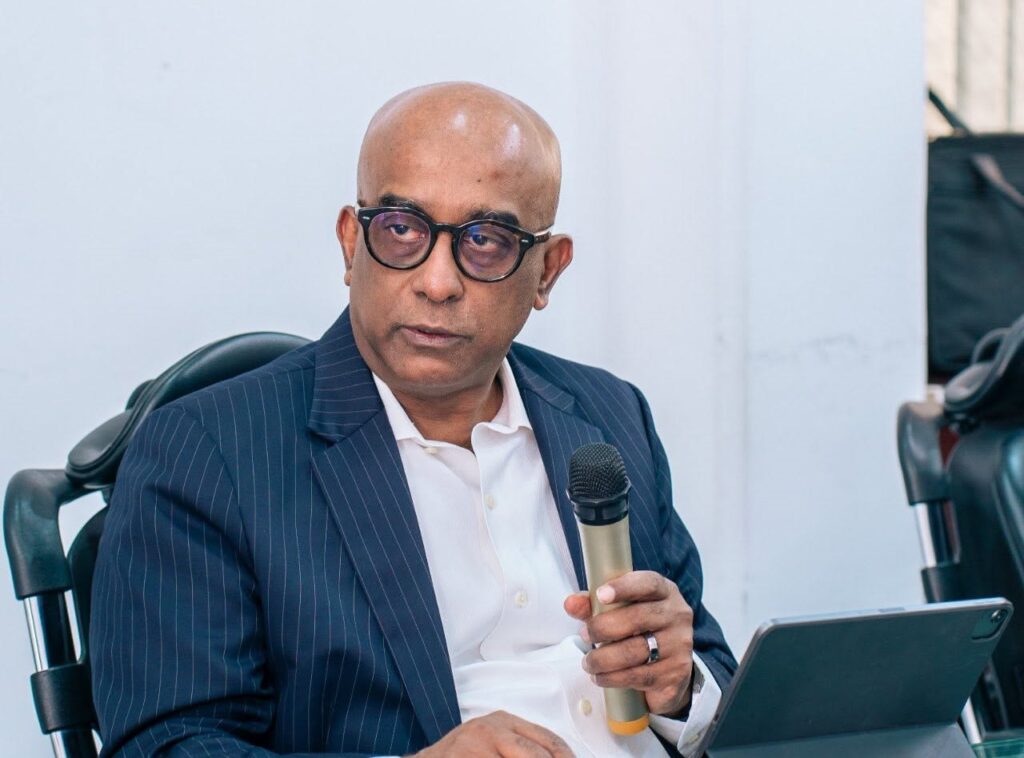
Speaking during an interview on Channels Television on Friday, the World Bank’s Country Director for Nigeria, Mathew Verghis, explained that Nigeria needs to focus more on generating revenue than worrying about its current debt level.
“From our assessment, Nigeria doesn’t have a high indebtedness problem, it has a low revenue problem,” Verghis said.
According to him, Nigeria’s debt remains moderate when compared to the size of its economy and is lower than that of many countries in a similar position.
He noted that Nigeria should not be compared with countries such as Ghana, which is currently undergoing debt restructuring due to more serious financial challenges.
“When we looked at the numbers, Nigeria is a moderately indebted country, meaning it has less debt relative to its economy than most of its neighbours and many other countries,” he said.
“Nigeria is in a very different situation than Ghana, for example, which is going through a debt restructuring.”
Verghis explained that borrowing is a normal part of economic development, as governments often take loans to finance projects that deliver long-term benefits and improve the lives of citizens.
“Nigeria borrows for the same reasons that all countries borrow. If you want to get results, if you want to deliver results to people, then the money that you have on an annual basis is not enough.
“So you borrow, you get results, and that will improve your ability to pay back,” he said
Using the energy sector as an example, Verghis stated that Nigeria would need substantial funding to provide electricity to about 32 million people.
“To be able to connect, to give energy to 32 million Nigerians, Nigeria needs to borrow money now,” the World Bank official said.
“But that money, with that increased access to energy, Nigeria will become a wealthier country, and it’ll be then possible to pay back.”
The World Bank official stressed that Nigeria’s main concern should be increasing government income, warning that weak revenue generation poses a greater threat to public finances than the country’s debt burden.
“Nigeria’s debt is not particularly high, and in fact, it’s quite moderate by international standards,” the country director said.
“Its revenues are very low by international standards, and unless those revenues are raised, then it will not be able to pay back debt.”
He added that stronger revenue collection would give the government more resources to invest in infrastructure, education, healthcare, and other sectors that support economic growth, create jobs, and reduce poverty.
The World Bank’s recently introduced six-year Country Partnership Framework for Nigeria, which focuses on promoting employment through investments in infrastructure, healthcare, agriculture, and digital connectivity.
ALSO READ: Nigeria Remains World Bank’s Third-Largest Borrower With $18.5 Billion



![Jemima Osunde Confronts Driver Over Alleged One-Way Driving In Lagos [Video]](https://www.kanyidaily.com/wp-content/uploads/2026/08/MixCollage-17-Aug-2026-05-29-PM-8917-400x240.jpg "Jemima Osunde Confronts Driver Over Alleged One-Way Driving In Lagos [Video] 8")
![Jemima Osunde Confronts Driver Over Alleged One-Way Driving In Lagos [Video]](https://www.kanyidaily.com/wp-content/uploads/2026/08/MixCollage-17-Aug-2026-05-29-PM-8917-80x80.jpg "Jemima Osunde Confronts Driver Over Alleged One-Way Driving In Lagos [Video] 9")