World News
Iran Warns Of Stronger Retaliation If Attacked Again By U.S Or Israel

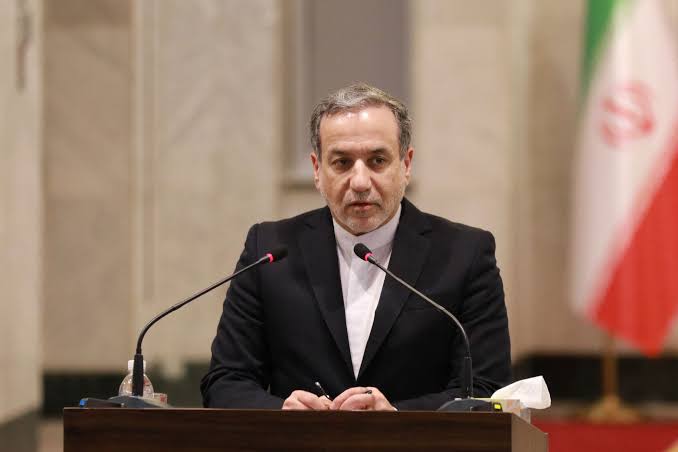
Iran’s foreign minister has issued a strong warning to the United States and Israel, saying any future attack on the country would be met with an even tougher response.
The statement came after U.S. President Donald Trump threatened to “wipe out” Iran’s nuclear program if the country resumed atomic activities.
That threat followed a series of U.S. airstrikes last month in response to Israeli bombings aimed at halting Iran’s nuclear development.
In a post shared on X, Iran’s Foreign Minister Abbas Araghchi said that while Iran is open to negotiations, military threats have proven ineffective when it comes to concerns over its nuclear program.
He wrote, “If aggression is repeated, we will not hesitate to react in a more decisive manner and in a way that will be IMPOSSIBLE to cover up.
“If there are concerns about the possible diversion of our nuclear program into non-peaceful purposes, the ‘military option’ proved incapable — but a negotiated solution may work.”
The full extent of the damage from the U.S. strikes on Iran’s nuclear facilities is still unclear.
The airstrikes followed Israel’s surprise offensive, which it said was meant to prevent Iran from acquiring a nuclear weapon.
That move derailed nuclear talks between Iran and the U.S., which had been underway since April.
During the 12-day conflict, Iran launched missile strikes at Israeli cities and a U.S. base in Qatar in retaliation.
Trump, however, dismissed those responses and insisted that U.S. attacks had already crippled Iran’s nuclear capabilities.
“They can start again. If they do, we’ll wipe it out faster than you can wave your finger at it,” Trump said while speaking in Scotland on Monday.
The core disagreement between the two countries has been over uranium enrichment.
Iran insisted it has a right to enrich uranium, calling it non-negotiable, while the U.S. sees it as a red line.
The International Atomic Energy Agency (IAEA) said Iran is the only non-nuclear-armed country enriching uranium to 60% purity, a short step from the 90% enrichment required for a nuclear weapon.
Tehran has repeatedly denied that it’s trying to build a bomb. Instead, officials say they’re willing to negotiate how much uranium is enriched, but not whether they’re allowed to do it at all.
“No one in their right mind would abandon the fruits of tremendous investment in homegrown and peaceful technology just because of foreign bullying,” Araghchi said.
The recent threats comes barely one month after US President Donald Trump announced that Iran and Israel have agreed to a full ceasefire.







![Fire Outbreak Destroy Goods Worth Millions Of Naira At Calabar Mall [Video]](https://www.kanyidaily.com/wp-content/uploads/2026/08/mall-fire_1787396944-400x240.webp "Fire Outbreak Destroy Goods Worth Millions Of Naira At Calabar Mall [Video] 10")
![Fire Outbreak Destroy Goods Worth Millions Of Naira At Calabar Mall [Video]](https://www.kanyidaily.com/wp-content/uploads/2026/08/mall-fire_1787396944-80x80.webp "Fire Outbreak Destroy Goods Worth Millions Of Naira At Calabar Mall [Video] 11")