


The United States has imposed sanctions on eight Nigerians over alleged ties to Boko Haram and the Islamic State of Iraq and the Levant (ISIL), freezing any assets they may have under U.S. control.
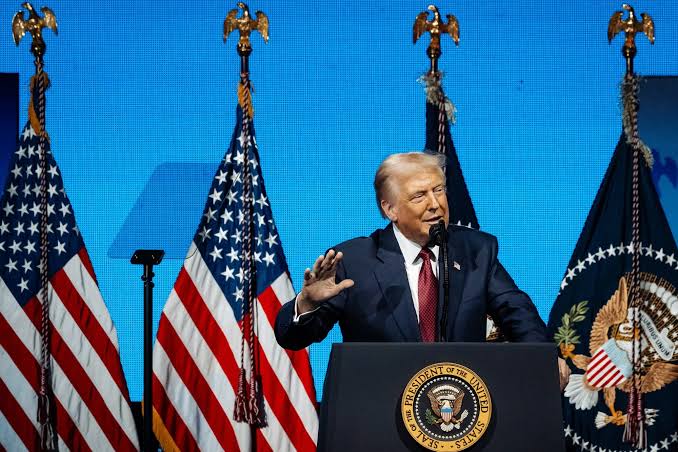
The sanctions was announced in a document released by the U.S. Treasury Department’s Office of Foreign Assets Control (OFAC).
The publication, known as the Specially Designated Nationals and Blocked Persons List (SDN List), named individuals and organisations subject to American sanctions.
According to the report, some of those listed were sanctioned over suspected involvement in terrorism, while others were cited for alleged cybercrime and related security offences.
The move comes after members of the U.S. Congress called for tougher measures, including visa restrictions and asset freezes, against individuals accused of violating religious freedom and targeting Christians in Nigeria.
The U.S. President Donald Trump had earlier named Nigeria a Country of Particular Concern over religious freedom issues.
Under Executive Order 13224, those added to the sanctions list face financial restrictions and asset freezes within U.S. jurisdiction.
Americans are also barred from carrying out most transactions with them.
Among those named is Salih Yusuf Adamu, also known as Salihu Yusuf, who was previously linked to Boko Haram.
He was one of six Nigerians convicted in the United Arab Emirates in 2022 for setting up a Boko Haram cell to raise funds for insurgents in Nigeria. The group was found guilty of attempting to move $782,000 from Dubai to Nigeria.
Babestan Oluwole Ademulero, who has used several aliases, was also sanctioned over terrorism-related allegations.
Another individual listed is Abu Abdullah ibn Umar Al-Barnawi, also known as Ba Idrisa, said to be from Maiduguri in Borno State. Abu Musab Al-Barnawi, identified as a Boko Haram leader, was also included in the sanctions.
In addition, Nnamdi Orson Benson was designated under cybercrime-related sanctions and is reported to hold a Nigerian passport.
With the sanctions now in place, any property or financial interests belonging to the affected individuals within U.S. territory are blocked.
KanyiDaily recalls that five members of the US House of Representatives had also proposed a new bill calling for stronger action over alleged religious persecution and mass killings in Nigeria.

![Why My Parents Rejected My House Gift - Zlatan Ibile [Video]](https://media.kanyidaily.com/2026/04/02182046/Zlatan-Ibile-150x150.jpg "Why My Parents Rejected My House Gift - Zlatan Ibile [Video] 5")










![NEMA Evacuates 191 Stranded Nigerians From India [Photos]](https://media.kanyidaily.com/2022/12/17085818/NEMA-evacuates-191-stranded-Nigerians-from-India.jpg "NEMA Evacuates 191 Stranded Nigerians From India [Photos] 45")


