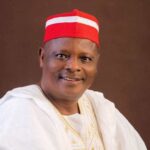
The Kwankwassiya movement and the New Nigeria Peoples Party (NNPP) have rejected a proposed US bill that could impose a visa restriction and asset freeze on their leader, Rabiu Kwankwaso.
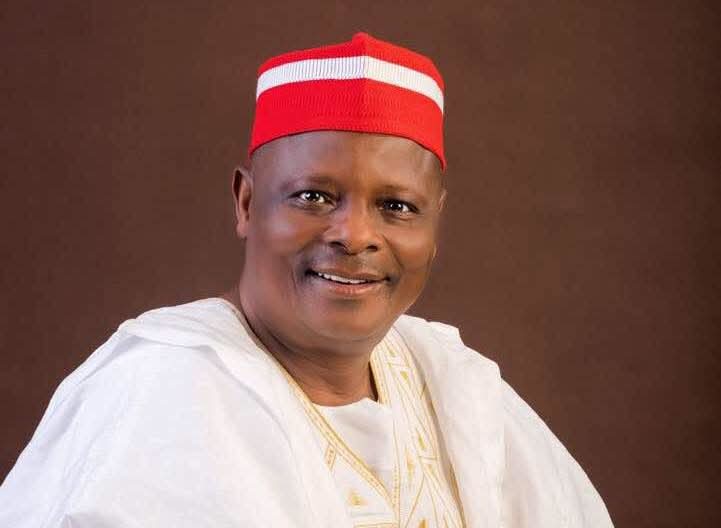
The groups described the move as biased, politically driven, and unfairly targeted at an opposition figure.
The reaction followed a bill introduced in the US Congress titled the Nigeria Religious Freedom and Accountability Act of 2026.
The proposed law recommends sanctions against Kwankwaso, certain Miyetti Allah factions, and alleged Fulani militia groups over claims of religious persecution in Nigeria.
The bill, sponsored by Representative Riley Moore and other lawmakers, calls for penalties such as visa bans and freezing of assets for individuals or groups accused of serious violations of religious freedom.
It also proposes that some Fulani militia groups be officially labeled as terrorist organizations and requires yearly reports assessing Nigeria’s compliance with international religious freedom standards.
If approved, the legislation could increase diplomatic pressure on Nigeria.
However, leaders of the Kwankwassiya movement and the NNPP argued that naming Kwankwaso in the proposal appears to be politically motivated rather than based on solid evidence.
Mansur Kurugu, spokesperson for the Kwankwassiya movement, said they were surprised by the development and are reviewing the details before issuing a full response.
“We received the information just like any other Nigerians with shock. At the moment, we are studying what that means and at a later time we shall issue a proper statement,” Kurugu said.
Sources indicate that Kwankwaso is currently outside the country.
The NNPP also criticized the proposal, calling it an attempt to damage the image of its national leader.
The party’s National Publicity Secretary, Ladipo Johnson, questioned why Kwankwaso was being linked to alleged violations of religious freedom, insisting he has no connection to religious extremism.
“We see this development as a contrived action against an innocent man who clearly has no relationship with religious fundamentalism in Nigeria.
“His record is there in the public domain, either in public office or in private life, and it is advisable for people to investigate properly before reaching such conclusions,” Johnson said.
The party also challenged allegations connecting Kwankwaso to blasphemy laws in Kano State.
The NNPP argued that several northern governors adopted Sharia law, yet only Kwankwaso is being singled out, raising concerns about fairness.
“Is Rep Riley Moore being fair or selective? Why were the other state governors who introduced Sharia in their states not accused as well?
“Isn’t it strange that it is Kwankwaso, an opposition leader who has consistently spoken out about insecurity, that the United States now appears to be turning on?” Johnson asked.
To support its position, the NNPP pointed out that Kwankwaso chose a Christian cleric, Bishop Isaac Idahosa, as his running mate in the 2023 presidential election.
The party also stated that he maintained good relationships with Christian leaders in Kano and took steps to combat Boko Haram during his time as governor.
“These are facts which should guide the Congress and its leaders to conduct a thorough investigation so that justice is done to the noble name of Senator Rabiu Musa Kwankwaso and he is cleared of such undue embarrassment,” the party said.
This comes months after US President Donald Trump designated Nigeria as a Country of Particular Concern, a move that gives the US executive branch authority to consider punitive measures.

!["My Husband Wants To Kill Me And Steal My Property" - Nigerian Woman Raises Alarm [Video]](https://media.kanyidaily.com/2026/02/12114954/IMG_1389_1770845870-150x150.jpeg "\"My Husband Wants To Kill Me And Steal My Property\" - Nigerian Woman Raises Alarm [Video] 2")
![Bride Shouldn't Kneel To Feed Her Husband On Wedding Day – Ifedayo Agoro [Video]](https://media.kanyidaily.com/2026/02/12163425/Ifedayo-Agoro-150x150.jpg "Bride Shouldn't Kneel To Feed Her Husband On Wedding Day – Ifedayo Agoro [Video] 5")