Travel
US To Introduce $15,000 Visa Bond For Some Foreign Applicants

The US State Department has announced a new policy that will soon require some visa applicants to pay a refundable bond of up to $15,000.
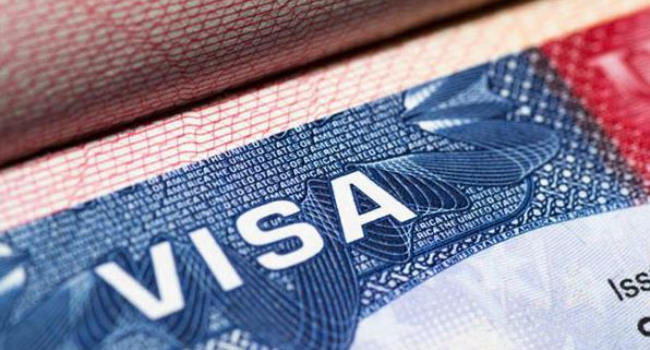
This move is part of President Donald Trump’s efforts to tighten immigration rules and reduce the number of people who overstay their visas.
The policy which set to begin on August 20 will apply to visitors from countries with high rates of visa overstays.h
The US State Department said the policy targets travelers applying for short-term B-1 (business) or B-2 (tourist) visas.
Under this policy, applicants may be asked to pay at least $5,000, but in some cases, the bond could go as high as $15,000.
The money will be refunded if the person leaves the U.S. before their visa expires. But if they overstay, they’ll lose the bond.
The rule will only apply to certain countries, though the U.S. government hasn’t publicly named them yet.
The policy also noted that countries with weak security screening systems or those that grant citizenship without requiring people to live there first may be affected.
The State Department explained that this measure is meant to enforce U.S. immigration laws and strengthen national security.
In a public notice, they said consular officers will decide whether or not an applicant needs to pay a bond before their visa is approved.
The pilot program will last for 12 months and includes some limitations. Those who are required to pay the bond will need to enter and leave the country through specific airports.
This policy is part of broader steps taken by the Trump administration to reduce both legal and illegal immigration since returning to office in January.
The State Department justified the launch of the pilot program by calling it “a key pillar of the Trump Administration’s foreign policy to protect the United States from the clear national security threat posed by visa overstays.”
KanyiDaily recalls that the US government had warned that traveling to the country on a tourist visa with plans to give birth, so the child can obtain U.S. citizenship, is not allowed and could lead to visa denial.



![Hundreds Of Nigerians Stranded At UK Passport Intervention Centre [Video]](https://media.kanyidaily.com/2026/09/07190025/IMG_8469_1788800416-400x240.jpeg "Hundreds Of Nigerians Stranded At UK Passport Intervention Centre [Video] 6")
![Hundreds Of Nigerians Stranded At UK Passport Intervention Centre [Video]](https://media.kanyidaily.com/2026/09/07190025/IMG_8469_1788800416-80x80.jpeg "Hundreds Of Nigerians Stranded At UK Passport Intervention Centre [Video] 7")