News
Katsina Govt Defends Decision To Release 70 Suspected Bandits For ‘Peace’

Katsina State Government has revealed why it plans to help secure the release of 70 suspected bandits, saying the move is tied to ongoing peace efforts in troubled communities.
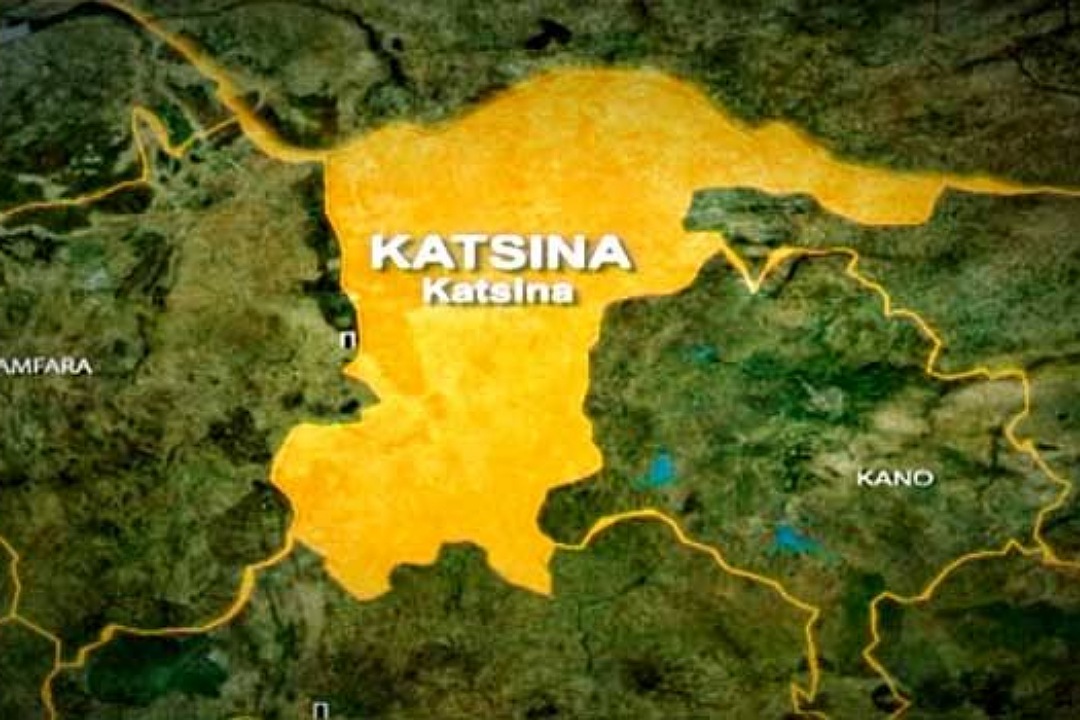
Speaking in an interview with DCL Hausa, the Commissioner for Internal Security and Home Affairs, Nasir Muazu, said the decision is meant to strengthen peace agreements reached with “repentant bandits” that have agreed to lay down their weapons in some local government areas.
His comments followed public backlash after a confidential government document outlining the plan surfaced online.
The letter, dated January 2, 2026, and marked “Secret,” was reportedly sent to the state’s Chief Judge.
It requested support from the Administration of Criminal Justice Monitoring Committee to help process the release of suspects currently in custody.
According to reports, the letter referenced Section 371(2) of the Katsina State Administration of Criminal Justice Law, 2021, describing the proposed release as part of conditions agreed upon in peace deals between frontline communities and armed groups.
The document also noted that while some of the suspects are already facing trial at the Federal High Court, others are still awaiting trial at magistrate courts.
An additional list of about 22 inmates with cases before the High Court was also said to have been submitted for review.
The proposal sparked criticism from lawyers, civil society groups, and members of the public.
Many warned that freeing people accused of serious crimes could weaken the justice system, deny victims closure, and encourage further criminal activity.
Muazu, however, insisted the approach is part of a wider reconciliation strategy that has produced visible results.
He said the negotiations have led to the release of close to 1,000 kidnapped victims across several local government areas.
According to him, the freed hostages were released through structured talks involving local communities and armed groups.
He compared the process to prisoner exchanges seen after conflicts, citing examples from Nigeria’s civil war, negotiations with Boko Haram, and similar efforts in other parts of the world.
While stressing that banditry remains a criminal offence under Nigerian law, Muazu said the community-led peace process places greater emphasis on ending violence, freeing captives, and restoring stability than on prolonged detention.
The commissioner said, “People know that normally, after a war, there are a lot of changes so people negotiate and agreed to release the people.
“‘If you can release our people, we too we will release yours’. It happens after wars. Even here in Nigeria during the civil war, a lot of people were released from both parties, and even Boko Haram members too were released. Even those Chibok girls that were released. So, wether it’s good or bad, it’s not new in the history of war and peace.
“Both kidnappers and Boko Haram members are doing the wrong thing. According to Nigerian law, it’s a crime. And here in Katsina, it’s both people and the bandits that negotiated and agreed we followed due process at least 15 steps before finalising.
“They agreed to release all the remaining people that they kidnapped. In Safana LGA, they already released 36 people, Kurmi 42, Sabuwa 310, Faskari 136, Dan Musa 60, Manunfashi 36, Musawa 28, Matazu 33, Dutsinma 62, Jibiya 31, and Bakori 125. It happened openly and was even posted on social media.
“And also both parties agreed that the bandits can now be going to markets, hospitals, and do what they want freely. The negotiation is between them and the people and they already released almost 1,000 people in Katsina state.
“They agreed to be in peace, I think what we should do now is to be prayerful for peace. Now Jibiya, Batsari, Safana, Dan Musa, Sabuwa, Faskari, Dan Dume, Bakori, Musawa, Matazu, Kurfi, Dutsinma, and other places are now in peace. What we should do is to thank God.”
KanyiDaily recalls that 13 worshippers were recently killed after gunmen attacked a mosque in Unguwan Mantau, a community in Malumfashi Local Government Area of Katsina State.



![Suspected Thugs Block Peter Obi’s Convoy In Benue [Video]](https://media.kanyidaily.com/2026/09/08145917/IMG_1926-758x600-1-400x240.jpg "Suspected Thugs Block Peter Obi’s Convoy In Benue [Video] 8")
![Suspected Thugs Block Peter Obi’s Convoy In Benue [Video]](https://media.kanyidaily.com/2026/09/08145917/IMG_1926-758x600-1-80x80.jpg "Suspected Thugs Block Peter Obi’s Convoy In Benue [Video] 9")