Mark Carney has won Canada’s federal election and will continue serving as prime minister.
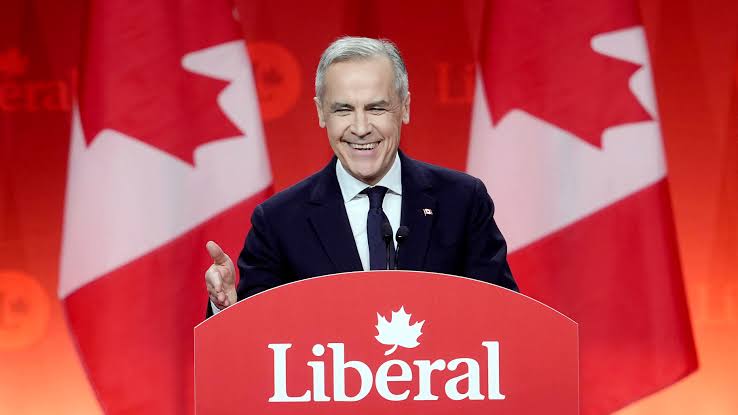
This result marks a major comeback for the Liberal Party, which gained momentum as many Canadians pushed back against U.S. President Donald Trump’s tough talk and new tariffs on Canadian products.
Mark Carney, who was previously a central banker and relatively new to politics, called for an early election last month after the Liberals made significant gains in the polls.
They had trailed badly at the start of the year but closed a gap of more than 20 points.
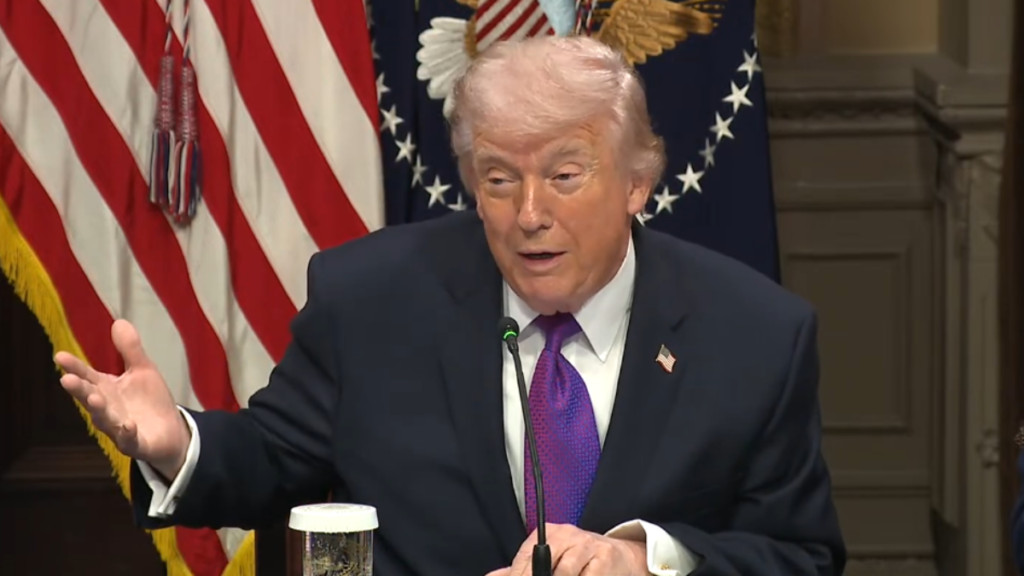
His win is widely seen as a strong rejection of Trump’s recent threats, including controversial comments about turning Canada into the “51st state,” which sparked a national outcry and boosted support for Carney’s party.
[irp]
Even though the Liberals have claimed victory, it’s still uncertain whether they’ve won enough seats to form a majority in the 343-seat House of Commons.
CTV News predicts they’ll likely fall short, while CBC says it’s too early to say.
If the Liberals end up with a minority, Carney will need support from other parties to stay in power—something that typically leads to shorter government terms in Canada.
The campaign took a tragic turn just days before the election, when a violent attack at a street fair in Vancouver left 11 people dead and caused political activities to pause briefly.
Authorities have ruled out terrorism, identifying the attacker as a local man with mental health challenges.
[irp]
Mark Carney stepped into the role of prime minister earlier this year after Justin Trudeau stepped down.
He defeated Conservative leader Pierre Poilievre, who had been the front-runner until Trump’s involvement shifted public opinion.
Carney has promised to stand firm against Washington’s trade measures and invest heavily to make Canada less reliant on the U.S. economy.
Before entering politics, Carney held top positions at the Bank of Canada and later the Bank of England—becoming the first non-British citizen to lead the latter.
KanyiDaily recalls that Mark Carney had criticized Donald Trump after he imposed tariffs on Canadian goods and even suggested making Canada the 51st US state.
[irp]