World News
81-Year-Old Yoweri Museveni Wins 7th Term As Uganda President

Uganda’s President Yoweri Museveni has won a seventh term, after an election marked by violence and a nationwide internet blackout.
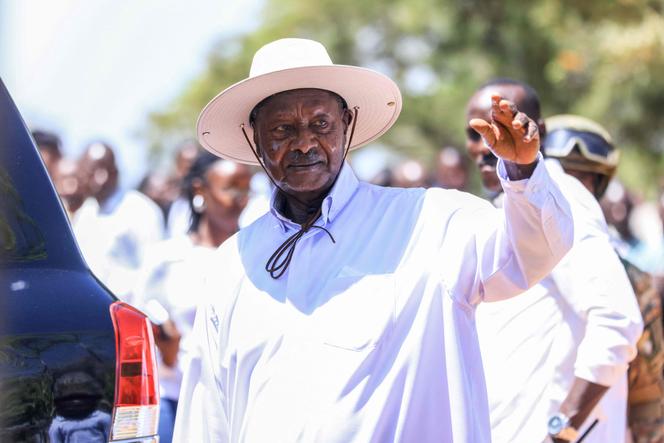
The Electoral Commission announced that Museveni, 81, received 71.65 percent of the vote in Thursday’s election.
The vote was accompanied by reports of at least 10 deaths and intimidation targeting opposition supporters and civil society groups.
The result means President Yoweri Museveni will continue his 40-year rule over Uganda.
His main opponent, former musician turned politician Bobi Wine, received 24.72 percent of the vote.
Wine, 43, said he was hiding on Saturday after security forces reportedly raided his home.
“I want to confirm that I managed to escape from them. Currently, I am not at home, although my wife and other family members remain under house arrest.
“I know that these criminals are looking for me everywhere and I am trying my best to keep safe,” Wine posted on X on Saturday.
Wine has faced repeated pressure since entering politics, including multiple arrests during his first presidential run in 2021.
He rejected the election results as fake and said he escaped from security agents after the raid.
AFP journalists reported seeing heavy police presence around the capital, Kampala, as security forces moved to prevent protests similar to those seen in Kenya and Tanzania in recent months.
Police denied raiding Wine’s home but said they were restricting access in areas they considered security risks. They also claimed they believed Wine was still at home.
“We have not necessarily denied people accessing him but we cannot tolerate instances where people use his residence to gather and… incite violence,” police spokesman Kituuma Rusoke told reporters.
Wine, whose real name is Robert Kyagulanyi, has positioned himself as the main opposition figure and often refers to himself as the “ghetto president,” highlighting his upbringing in Kampala’s slums.
He accused the government of ballot stuffing and claimed that several members of his party were attacked during the internet shutdown, which was imposed before the election and remained in place on Saturday.
African election observers said they did not see evidence of ballot tampering, but they condemned reports of intimidation, arrests, and abductions targeting the opposition and civil society.
They said these actions undermined public trust in the electoral process.
Former Nigerian President Goodluck Jonathan, speaking on behalf of observers from the African Union, COMESA, and IGAD, said the internet blackout disrupted election monitoring and increased suspicion, stressing that election day itself was largely peaceful.
The ruling National Resistance Movement also held a strong lead in parliamentary seats, according to provisional results, while counting continued.
Many analysts had already described the election as a predictable outcome, given Museveni’s long-standing control over state institutions and security forces. His government has historically suppressed opposition challengers.
Another key opposition figure, Kizza Besigye, who ran against Museveni in four elections, was abducted in Kenya in 2024 and returned to Uganda for a treason trial that is still ongoing.
There were also reports of election-related violence against opposition members.
Muwanga Kivumbi, a lawmaker from Wine’s party, claimed security forces killed 10 of his campaign workers after raiding his home.
Police denied this, saying several people were neutralised after opposition supporters allegedly tried to attack a tally centre and police station.
KanyiDaily recalls that Ugandan President Yoweri Museveni, came under fire for saying cooking is a woman’s job and men shouldn’t cook.